


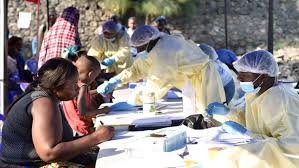
Uganda has secured a significant health financing agreement with the United States that will see up to $1.7 billion invested in its healthcare system over the next five years. The deal, signed in Kampala, is part of the Trump administration’s revamped foreign aid strategy, which aims to bolster partner countries’ roles in managing infectious diseases and transition them toward greater self‑reliance.
Under the framework, U.S. support will focus on key public health challenges, including HIV/AIDS, tuberculosis, malaria, maternal and child health, and polio eradication. The pact also emphasises strengthening human resources for health, disease surveillance systems, and emergency preparedness across Uganda’s healthcare landscape.
In a parallel commitment, Uganda’s government has pledged to increase its own health expenditure by $500 million during the same period, a move designed to complement U.S. assistance and ultimately help build a more resilient and self‑sustaining national health system. This joint funding model underscores a shift away from traditional aid dependency toward co‑investment and shared responsibility for public health outcomes.
The agreement comes at a time when other African countries, such as Kenya and Rwanda, have concluded similar arrangements under the same initiative, marking a broader continental engagement in strategic health financing partnerships with the United States. Analysts say the pact could significantly bolster Uganda’s capacity to manage endemic diseases and improve health outcomes, though effective implementation and alignment with domestic health priorities will be critical in realising its full impact.