


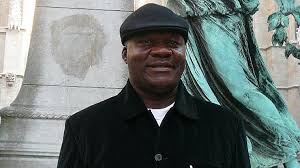
A French criminal court has sentenced former Congolese rebel leader Roger Lumbala to 30 years in prison for complicity in crimes against humanity committed during the Second Congo War in the early 2000s. The verdict, delivered under France’s universal jurisdiction law, marks a significant milestone in global efforts to hold individuals accountable for grave human rights abuses regardless of where they occurred.
Lumbala, 67, led the Rally for Congolese Democracy-National (RCD-N) rebel movement, which was accused of widespread atrocities including torture, rape, forced labour and pillaging during a military operation spanning 2002 to 2003 in eastern parts of the Democratic Republic of Congo (DRC). Prosecutors said his forces were responsible for systematic violence against civilian populations in regions like North Kivu and Ituri.
The Paris court’s application of universal jurisdiction allowed it to try Lumbala for actions committed abroad, offering survivors and witnesses from Congo a rare opportunity to seek justice in a national court. Human rights advocates have welcomed the ruling as an important step toward accountability for crimes that have long gone unpunished, and as a deterrent to future abuses.
Lumbala refused to testify during the proceedings, questioning the legitimacy of the French court, but the evidence presented by civil parties and prosecutors convinced judges to impose the lengthy sentence. Observers say the case could set a precedent for how serious crimes committed during Africa’s conflicts are prosecuted internationally, particularly when domestic justice systems struggle to deliver accountability.


