


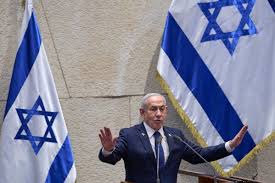
Benjamin Netanyahu has formally asked Isaac Herzog, the President of Israel, to grant him a pardon in the midst of his protracted corruption trial, a move that has shaken the political establishment in Jerusalem.
Facing bribery, fraud and breach‑of‑trust charges across three separate cases opened in 2019, Netanyahu remains the only sitting Israeli prime minister ever to stand trial. He argues that the ongoing legal proceedings, which require that he appear in court multiple times a week, are a hazard to his ability to govern effectively, a distraction he says Israel cannot afford amid security and national challenges.
With no admission of guilt included in the pardon request, the Israeli presidency described the appeal as “extraordinary,” signalling that the decision carries far‑reaching legal and institutional consequences.
Critics including opposition leaders such as Yair Lapid warn that granting a pardon before a verdict would undermine the rule of law, claiming pardons must follow a conviction, admission of guilt, and resignation from political life.
Observing democracies globally, legal experts note that such pre‑conviction pardons are extremely rare. If approved, this could set a troubling precedent and deepen divisions already sharpened by wartime decision‑making and judicial reforms.