


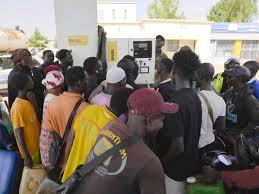
Mali’s head of state has publicly addressed an escalating fuel crisis that has left cities short of petrol and diesel and stirred widespread unrest. The shortage, officials say, stems largely from supply lines being choked by jihadi groups that control key transit routes — a tactic that has had knock-on effects for health services, agriculture and commercial transport.
The president urged calm, announced emergency measures to stabilise supplies, and asked regional allies and international partners for logistical support to reopen critical routes. Security forces have been dispatched to protect convoys where possible, but humanitarian and commercial organisations warn that in some regions, insecurity continues to block effective distribution.
The disruption has raised immediate economic and humanitarian concerns: hospital generators run low on fuel, markets face shortages, and the costs of moving staple food and medical supplies have risen. Observers say that unless corridors for safe passage are secured, the crisis risks turning into a broader emergency that could compound existing conflict-driven displacement.