


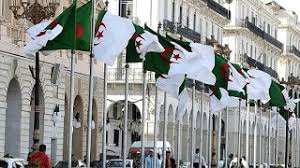
At a major continental gathering in Algiers on Sunday November 30th, African leaders and diplomats formally pressed for the crimes committed during colonial rule to be officially acknowledged, criminalized, and compensated. The move builds on a resolution passed by the African Union (AU) earlier this year.
Participants argued that colonialism inflicted tremendous economic and social damage on African societies with natural resources looted, communities impoverished, and long‑term exclusion and backwardness woven into the postcolonial reality. They emphasized that restitution should not be seen as charity, but justice. The conference also spotlighted the theft of cultural heritage. Numerous African artefacts remain in foreign museums and private collections; leaders are demanding their return as part of a broader reparations framework.
Under the patronage of Abdelmadjid Tebboune, the host country, the gathering aims to finalise a unified continental position on reparative justice, which may be encapsulated in a formal document the anticipated “Algiers Declaration.” This document is intended for submission to the AU Summit planned for February 2026.
Supporters at the conference stressed that the legacy of colonialism is not just historical its repercussions are ongoing. They called for institutional mechanisms, legal definitions, and cooperation with diaspora communities, so that colonial-era crimes are treated as crimes against humanity under international law.