


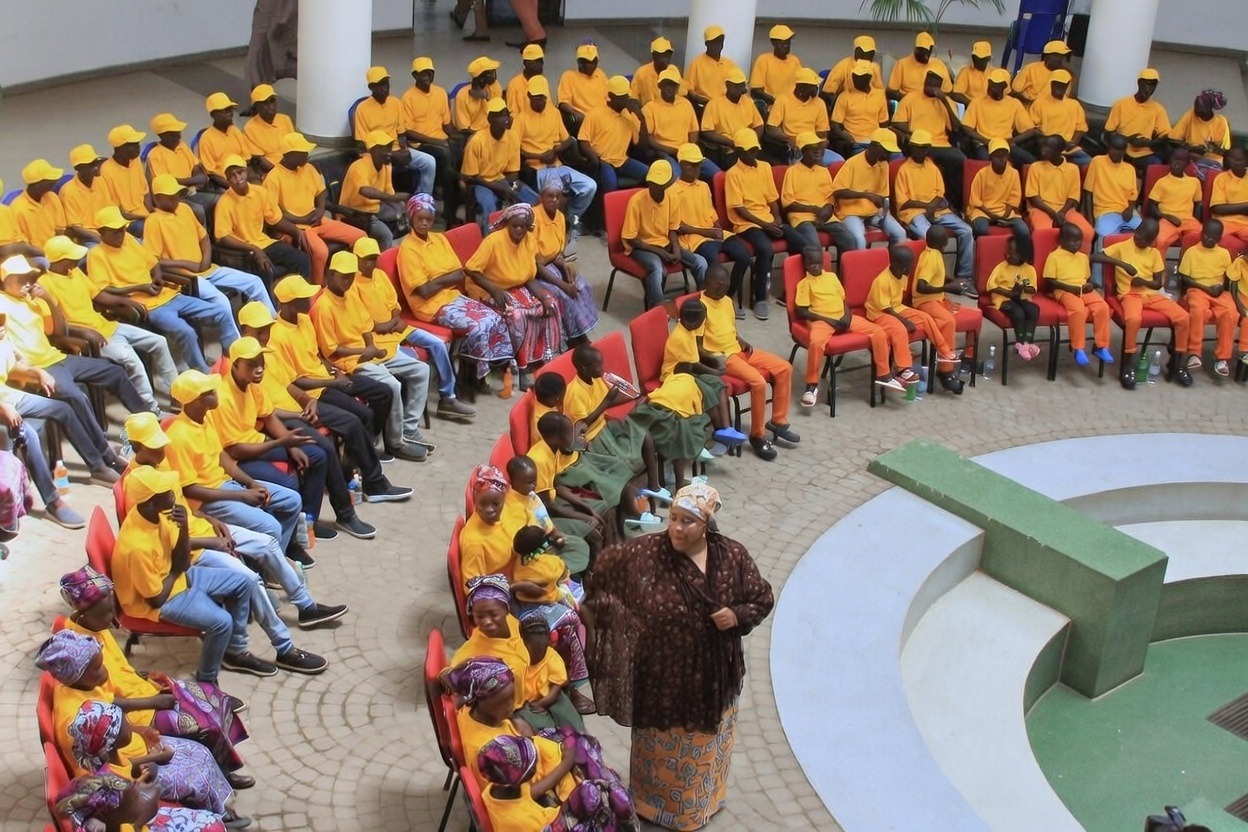
All 89 Christians who were kidnapped during church attacks in mid-January 2026 have now been released, bringing relief and hope to families and communities affected by one of the most significant recent kidnapping incidents in Nigeria. The kidnappings occurred on 15 January 2026, when armed assailants carried out coordinated attacks on congregations in several northern states, including Kaduna, Niger, and Zamfara, targeting worshippers during Sunday services. These attacks created widespread fear, disrupted local communities, and drew condemnation from religious leaders, civil society organizations, and international human rights observers.
Authorities confirmed that the release of the victims was achieved through a combination of negotiation efforts and security operations led by the Nigerian Police Force, with direct involvement from the Inspector General of Police, Kayode Egbetokun, and the support of local community and traditional leaders. The operations included intelligence-gathering missions in rural and forested areas surrounding Kaduna City, Minna, and Gusau, where many of the victims had been held in makeshift camps. Security forces worked alongside community vigilante groups and local authorities to track down the kidnappers and secure the safe release of all hostages.
The freed victims were gradually reunited with their families over several days, with emotional reunions taking place in towns and communities including Kafanchan, Bida, Maru, and surrounding villages. Many families gathered at police stations and community centers to welcome back their loved ones, sharing stories of hope, faith, and resilience amid the weeks of uncertainty. Religious leaders, including Archbishop Matthew Hassan Kukah of the Diocese of Sokoto, described the release as a moment of gratitude while emphasizing the need for the government to continue reinforcing security measures around places of worship, which remain frequent targets of attacks by militant and criminal groups.
The attacks had prompted national outrage and renewed calls for robust anti-kidnapping strategies, including improved intelligence gathering, community policing initiatives, rapid-response security task forces, and greater coordination between federal, state, and local authorities. Analysts have cautioned that while the release of all 89 victims is a positive development, criminal networks involved in such attacks remain active and highly adaptable, capable of striking in vulnerable regions with limited security coverage.
In response to the incidents, the federal government has reiterated its commitment to prosecuting perpetrators and enhancing preventive measures to protect civilians. President Bola Ahmed Tinubu issued a statement congratulating the security forces on the successful rescue and emphasizing the importance of continued vigilance, stronger border security, and improved cooperation between law enforcement and local communities. Civil society groups, religious organizations, and faith-based networks have pledged to work alongside authorities to promote awareness campaigns, resilience programs, and community-led protection measures in regions prone to violence, particularly in northern and central Nigeria.