


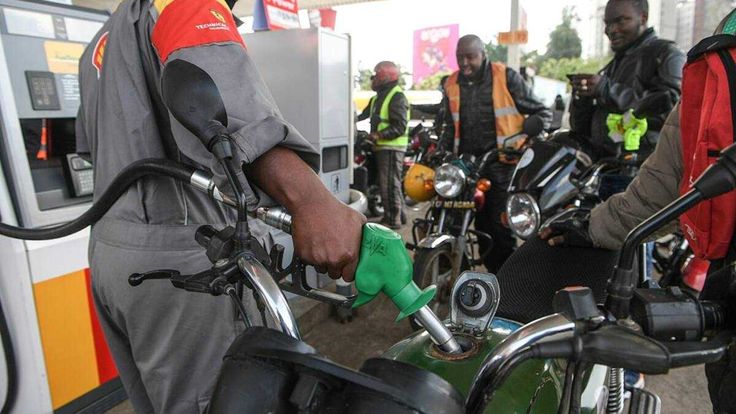
Nigeria has recorded a sharp decline in spending on imported refined petroleum products, with outflows on fuel imports falling by 54 per cent over a two-year period, according to the Central Bank of Nigeria’s (CBN) Balance of Payments report. The reduction reflects a major structural shift in the downstream energy sector, driven by rising domestic refining output and policy reforms.
Data review show that spending on fuel imports dropped from $14.58 billion for the first nine months of 2023 to $6.71 billion in the corresponding period of 2025, underlining a sustained moderation in foreign exchange outflows linked to petroleum product imports. In 2024, the figure was $11.38 billion for the same period, indicating a steady year-on-year contraction.
Analysts attribute the decline to a combination of factors, including the removal of petrol subsidies in 2023, which dampened fuel consumption and speculative demand, and tighter foreign exchange management by the CBN that discouraged unnecessary importation. The expansion of domestic refining capacity, led by major new facilities such as the Dangote Petroleum Refinery, has also played a critical role by increasing local supply and reducing reliance on foreign refined fuel.
Experts acknowledge that while import bills have fallen significantly, Nigeria remains dependent on foreign refined fuel, with imports still accounting for $6.71 billion in the January–September 2025 period. Energy economist Professor Wumi Iledare noted that decreased import dependence represents progress but cautioned against claims that importation has ended outright, stressing that structural market conditions and the option to import continue to influence pricing and supply dynamics.
Industry observers describe the drop as a refining milestone for Nigeria’s downstream oil sector, evidence that local production is beginning to displace imported fuel, though full energy self-sufficiency remains a longer-term objective requiring sustained investment, consistent refinery operation at scale and broader sector reforms.
The development comes as Nigeria seeks to ease pressure on its foreign reserves, stabilise the naira, and build a more resilient energy economy, while also addressing the long-standing drain on foreign exchange caused by fuel importation



I hope that this will help boats Nigerian economy