


On Wednesday, February 25, 2026, a routine budget defence session at the National Assembly Complex in Abuja, Federal Capital Territory, descended into a tense confrontation as members of the House of Representatives challenged the Minister of Finance and Coordinating Minister of the Economy, Wale Edun, over delays and apparent discrepancies in the disbursement of capital project funds.
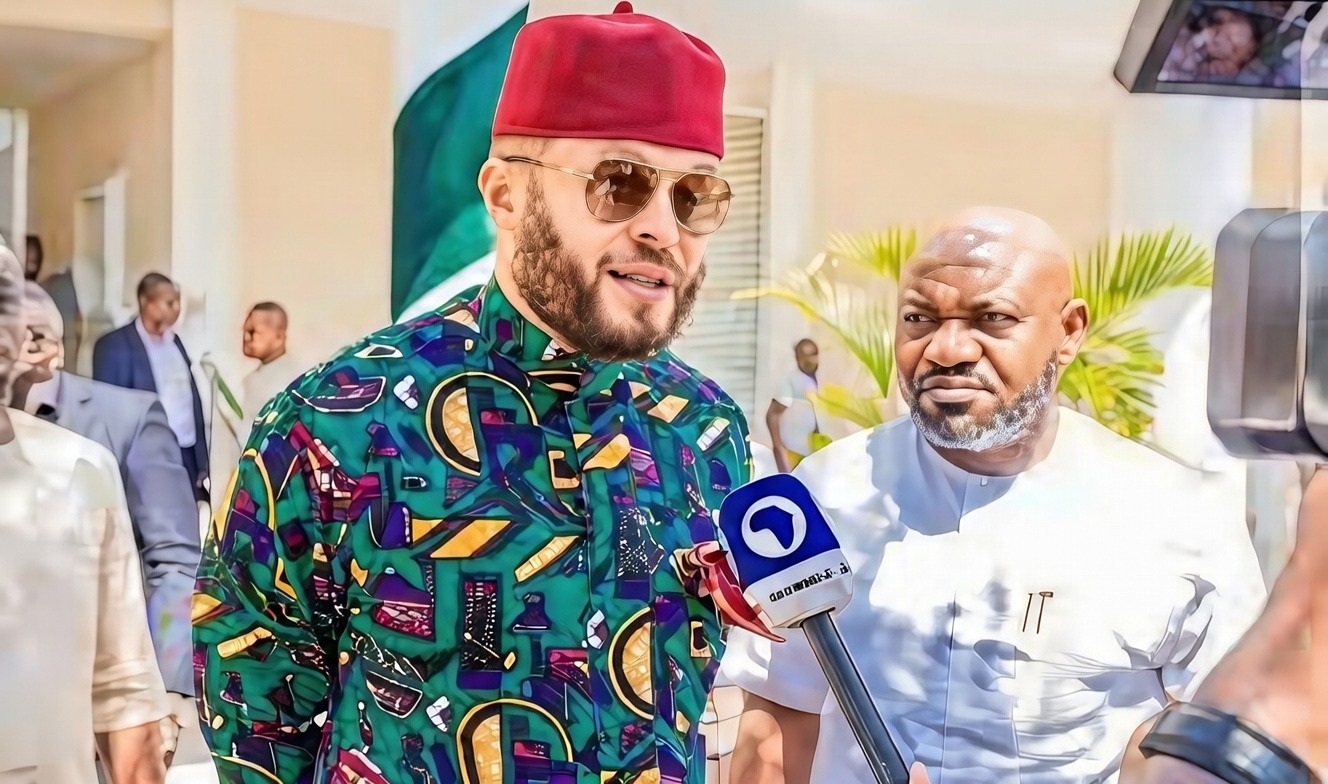
The hearing, convened by the House Committee on Aids, Loans and Debt Management, was intended to review the implementation of capital components of the 2025 Appropriation Act and assess the status of loan-backed projects approved between 2023 and 2025. However, proceedings took a dramatic turn when Alex Mascot Ikwechegh, the lawmaker representing Aba North/Aba South Federal Constituency of Abia State, alleged that despite legislative approval of significant funding, capital project disbursement remained effectively at zero in several critical areas.
Ikwechegh told the committee that the National Assembly had approved ₦1.15 trillion to fund approximately 30 percent of the 2025 capital budget. He further cited multiple loan facilities secured by the Federal Government, including a $1.2 billion facility for digital infrastructure, $500 million for economic stimulus initiatives, and another $500 million facility targeted at micro, small and medium enterprises approved in December 2025. According to him, additional funding arrangements were concluded in late 2025, yet there was little to no visible implementation of capital projects tied to those funds.
Addressing the minister directly during the February 25 session in Abuja, Ikwechegh questioned how trillions of naira in approved borrowing and reported revenue gains had failed to translate into tangible infrastructure across the country. He referenced road, healthcare, education, and power projects that were captured in federal budget documents but remained stalled or untraceable at execution sites.
In his response, Wale Edun maintained that all borrowings were undertaken in line with constitutional procedures and legislative authorization. He explained that capital releases are contingent on revenue inflows, fiscal conditions, and the completion of required documentation by implementing ministries, departments, and agencies. The minister emphasized that the Ministry of Finance operates within established financial regulations and that disbursements must satisfy procurement and compliance standards before funds are released.
During the heated exchange, Edun indicated that certain operational aspects of disbursement fall under the supervision of the Minister of State for Finance, Doris Uzoka-Anite. The clarification prompted further questioning from committee members, who insisted that overall accountability rests with the finance ministry and that a consolidated explanation was required.
The committee adjourned briefly and reconvened on Thursday, February 26, 2026, to continue deliberations. At the resumed session, lawmakers reiterated demands for a comprehensive breakdown of capital allocations, including dates of approval, actual releases, project locations, contractors involved, and stages of completion. Committee members expressed concern that delayed disbursements could undermine project timelines and weaken public confidence in fiscal governance.
Nigeria’s public debt profile has expanded significantly in recent years, particularly under the administration of President Bola Ahmed Tinubu, who assumed office on May 29, 2023. The government has consistently defended its borrowing strategy as necessary to stabilize the economy, fund infrastructure, and manage inherited fiscal constraints. However, the February 25 confrontation highlights mounting legislative scrutiny over how borrowed funds and capital allocations are tracked and deployed.
By the close of the February 26 session in Abuja, the House Committee on Aids, Loans and Debt Management directed the Ministry of Finance to submit detailed documentation clarifying the status of approved capital funds and associated loan facilities. Lawmakers signaled that failure to provide satisfactory explanations could lead to further investigative action by the House of Representatives.
The developments at the National Assembly mark one of the most pointed fiscal oversight exchanges of 2026 so far, underscoring intensifying pressure on federal authorities to provide transparent, project-level accountability for public funds.