


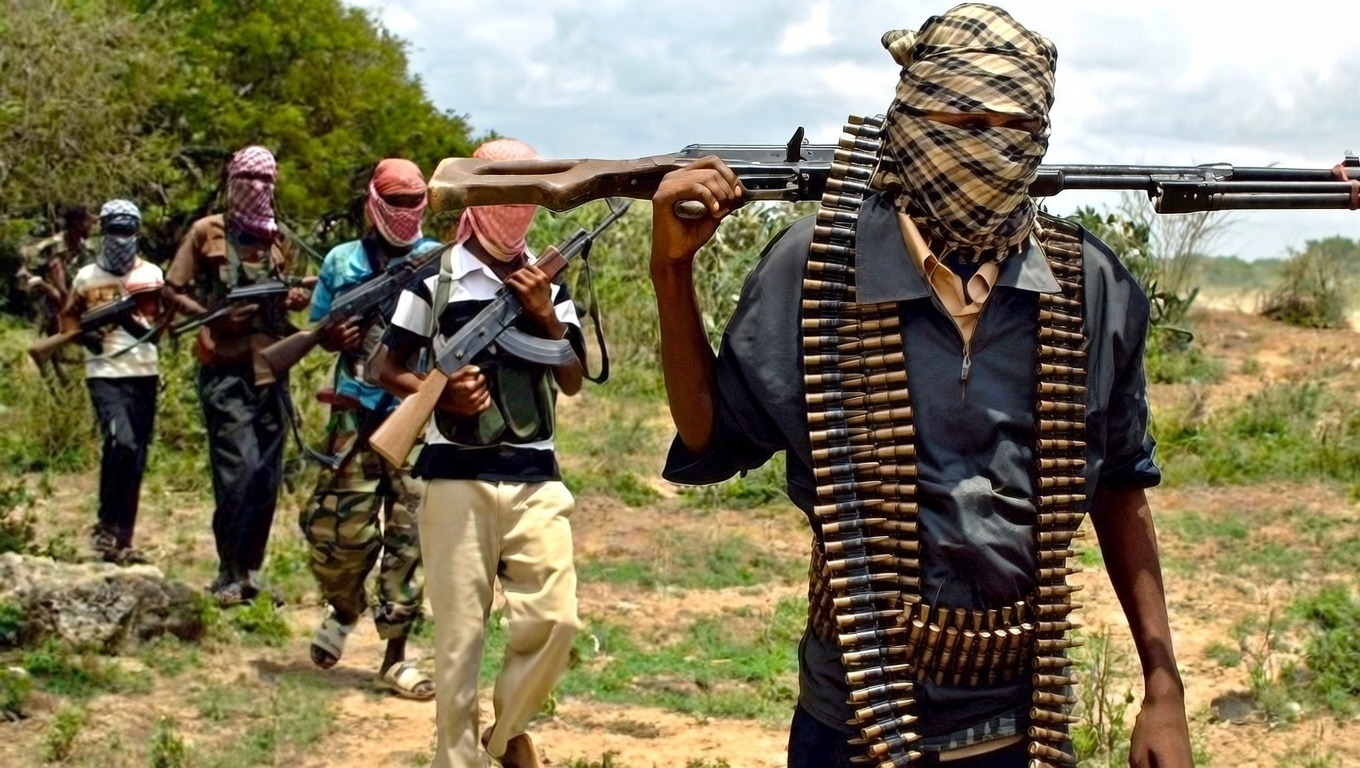
At least 162 people have been killed in brutal, coordinated attacks carried out by armed gunmen on Tuesday, February 3, 2026, in the villages of Woro and Nuku in Kaiama Local Government Area, Kwara State, western Nigeria. The assault is one of the deadliest in the country this year and highlights the intensifying security crisis facing rural communities.
According to Mohammed Omar Bio, the federal lawmaker representing the area, the death toll was confirmed at 162, with the figure expected to rise as search and rescue operations continue in the remote border communities near Benin Republic.
Eyewitnesses and a Red Cross official, Ayodeji Emmanuel Babaomo, reported that the gunmen—believed to be members of Lakurawa, an armed group affiliated with the Islamic State (IS)—surrounded the villages in the evening, forcing residents into open areas before executing them. Homes, shops, and even the palace of the traditional king were set ablaze during the rampage.
Survivors described gunmen binding victims’ hands and shooting indiscriminately. Some villagers fled into surrounding bushland to escape the onslaught, while dozens more remain missing. The traditional king of Woro, Alhaji Salihu Umar, was reported unaccounted for after the attack.
Alongside the mass killings, women and children were abducted, and many victims were reportedly mutilated or killed at close range, according to rights groups monitoring the situation. Bodies have been buried in mass graves as overwhelmed local authorities work to manage the scale of the tragedy.
Governor AbdulRahman Abdulrazaq of Kwara State condemned the attacks as a “cowardly expression of frustration by terrorist cells,” linking them to ongoing military campaigns against extremist elements in the region. Security forces, including the Nigerian Army and police units, have been deployed to the affected areas to restore order and pursue the perpetrators.
The incident has drawn sharp criticism from human rights organizations, which called the massacre a “stunning security failure.” Amnesty International reported that more than 170 people may have died, underscoring the difficulty of accessing remote communities during crises.
Nigeria continues to face overlapping security threats—including jihadist insurgencies linked to IS-affiliated groups and Boko Haram factions, widespread kidnappings, and bandit attacks across the north and central states. This latest massacre underscores the expanding geographic reach of extremist violence beyond the traditional strongholds in the northeast.
International partners have pledged support, and the Nigerian military has intensified operations against armed groups. However, authorities acknowledge that security challenges remain formidable, particularly in remote rural areas with limited infrastructure and protection.