


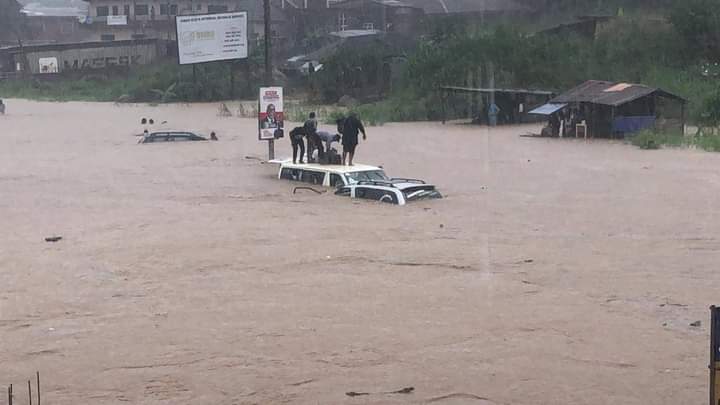
In 2025, Edo State recorded a total of 47 disaster incidents, according to a comprehensive report released by the Edo State Emergency Management Agency (SEMA). The disasters, which ranged from fires and floods to storm-related damage, affected over 10,000 residents across multiple Local Government Areas (LGAs), underscoring the urgent need for strengthened emergency preparedness, robust response systems, and community-level resilience measures.
SEMA’s Director-General, Godwin Erhahon, provided a detailed account of the incidents during a review session held in Benin City on February 17, 2026. According to Erhahon, the majority of the disasters were concentrated in urban and semi-urban areas where dense populations and inadequate infrastructure exacerbated the impact of natural and man-made hazards. “Our communities are increasingly exposed to a range of disasters, and while SEMA has mobilised rapid response teams, the frequency and severity of incidents in 2025 demonstrate the need for stronger coordination, early warning systems, and preventive measures,” he said.
Floods accounted for a significant portion of the incidents, affecting riverine and low-lying communities in LGAs such as Esan West, Ikpoba-Okha, and Owan East. Heavy rains in July and August 2025 led to the overflow of rivers and streams, displacing hundreds of families, damaging homes, schools, and farmlands, and disrupting local markets. In Aduwawa community, Esan West LGA, for example, more than 200 households were forced to relocate temporarily to higher ground after floodwaters destroyed farmlands and contaminated water sources.
Urban fires were another major contributor to the disaster tally. In densely populated areas of Oredo and Egor, several fire outbreaks were reported, destroying homes, shops, and informal markets. One incident in Uselu, Oredo LGA, on September 12, 2025, destroyed over 50 homes and several small businesses, leaving more than 300 residents homeless. Fire outbreaks were largely attributed to electrical faults, overcrowded housing, and inadequate fire safety measures in high-density neighborhoods.
Storms and wind-related damage were reported in LGAs such as Uhunmwonde and Esan North-East, where high-velocity winds damaged roofs, uprooted trees, and disrupted power supply. In Afuze town, Esan North-East LGA, residents reported that strong winds on May 28, 2025, destroyed roofs of public schools and community centers, affecting learning and social activities.
The human toll of these disasters was significant. SEMA reported that over 10,000 residents were directly affected, with many losing homes, personal property, and sources of livelihood. Displacement and property loss also resulted in social disruptions, particularly for vulnerable groups, including women, children, and the elderly. In addition to immediate human suffering, the economic impact was substantial, with losses in markets, agricultural produce, and infrastructure further straining local economies.
SEMA has highlighted the importance of enhancing emergency response capacity, particularly through early warning systems, community sensitization programs, and coordination with local governments, non-governmental organizations, and the National Emergency Management Agency (NEMA). Erhahon noted that improving the readiness of first responders, investing in disaster response equipment, and establishing well-coordinated contingency plans are key priorities for 2026.
Environmental and climate-related factors have been identified as significant contributors to the increasing frequency of disasters in Edo State. Experts, including Dr. Adewale Okon, observed that changing rainfall patterns, deforestation, and urban encroachment into floodplains have intensified flood risks. Additionally, urbanization without proper drainage systems has made communities particularly vulnerable to both flooding and waterborne diseases following heavy rains. Similarly, inadequate building standards and lack of fire safety enforcement have contributed to the prevalence and severity of urban fires.
Community leaders have called for greater engagement and participation in disaster planning. In Esan West LGA, Chief Patrick Okon emphasized that local knowledge and community cooperation must be integrated into emergency management strategies. “We need to be part of the planning, not just the aftermath,” he said, stressing that community-led initiatives, combined with government support, could improve preparedness and resilience.
SEMA’s 2025 report also serves as a reminder of the economic cost of disasters. Market losses, damage to farmland, and destruction of critical road infrastructure disrupted commerce and transportation, particularly affecting rural areas and small-scale traders. In Owan East LGA, flooding in August 2025 destroyed portions of the Afuze-Auchi road, halting the movement of goods and services for weeks.
Looking forward, the Edo State government has pledged to strengthen disaster management frameworks through investments in infrastructure, improved coordination with LGAs, and public education campaigns. Plans include upgrading flood defenses, reinforcing early warning systems, expanding SEMA’s rapid response units, and implementing training programs for community disaster volunteers. Collaboration with environmental and urban planning agencies is also expected to improve land use policies and mitigate the impact of future disasters.