


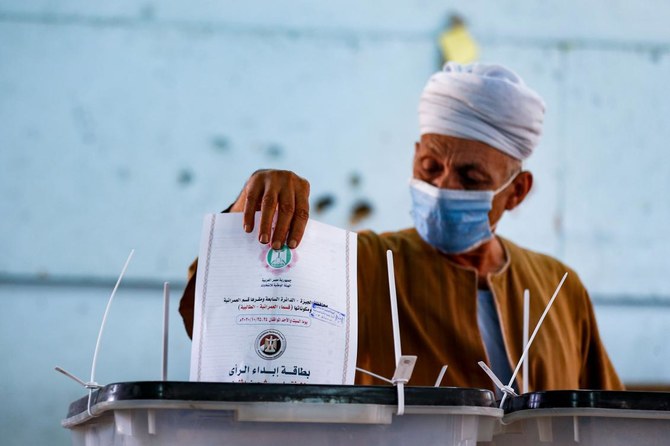
Egyptians are heading to polling stations in the second phase of their parliamentary elections, as millions across the country cast ballots to elect representatives for the House of Representatives. The voting comes amid heightened political interest and scrutiny, as well as concerns over freedom of expression and political diversity.
This phase follows an earlier round held in more than half of Egypt’s governorates, and will cover the remaining districts in both urban and rural areas. According to election commission officials, security has been ramped up at polling stations, with additional personnel deployed to ensure stability and order.
President Abdel-Fattah El-Sisi and his political allies are widely expected to consolidate their influence in the new parliament, though some opposition groups have urged voters to turn out in large numbers to demand accountability and greater political representation. Observers say that if pro-government forces retain a strong majority, it may further entrench the current power structure and limit the space for dissent.
Voter turnout and election irregularities will be closely watched both domestically and internationally. While Egyptian state media reports confident participation, independent and international monitors have raised concerns about restrictions on political campaigning, the suppression of critical voices, and the fairness of the electoral process.
The results of this second phase, once announced, will help shape Egypt’s legislative agenda for the coming years influencing issues such as economic reform, national security, and state-society relations.