


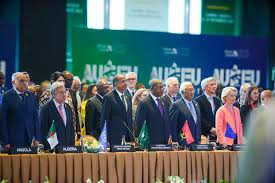
European and African leaders have convened in Luanda, Angola, this week for a high‑stakes European Union–African Union (EU‑AU) Summit, with key themes including investment, climate action, migration, and global governance reform. The gathering aims to reset cooperation in a world reshaped by geopolitical competition and economic realignment.
According to host and Angolan President, João Lourenço, the summit represents a “new chapter” in EU‑AU relations, one focused on creating a more equitable partnership rather than a donor-client dynamic. He emphasised that African countries will increasingly insist on investment pathways that foster industrialisation, value-addition, and local job creation, rather than just raw resource extraction.
Leaders are expected to sign a joint declaration that includes pledges to mobilise more investment for African green energy infrastructure; design joint tax and digital policy frameworks; and deepen trade ties. European leaders will also propose new climate‑finance mechanisms aimed at channelling funds to African countries most vulnerable to environmental shocks.
Migration is also high on the agenda: EU members are anticipated to offer enhanced legal pathways for African migration, linked to investment and education opportunities, while African leaders will call on Europe to share more responsibility in managing migratory flows without restrictive policies that criminalise or stigmatise people on the move.
Observers say success at the summit could forge a powerful bloc advocating for global reforms — especially in areas such as international tax, debt relief, and climate justice. However, critics caution that real progress will depend on translating grand summit promises into concrete financing mechanisms and legal agreements that guarantee benefits for all parties.