


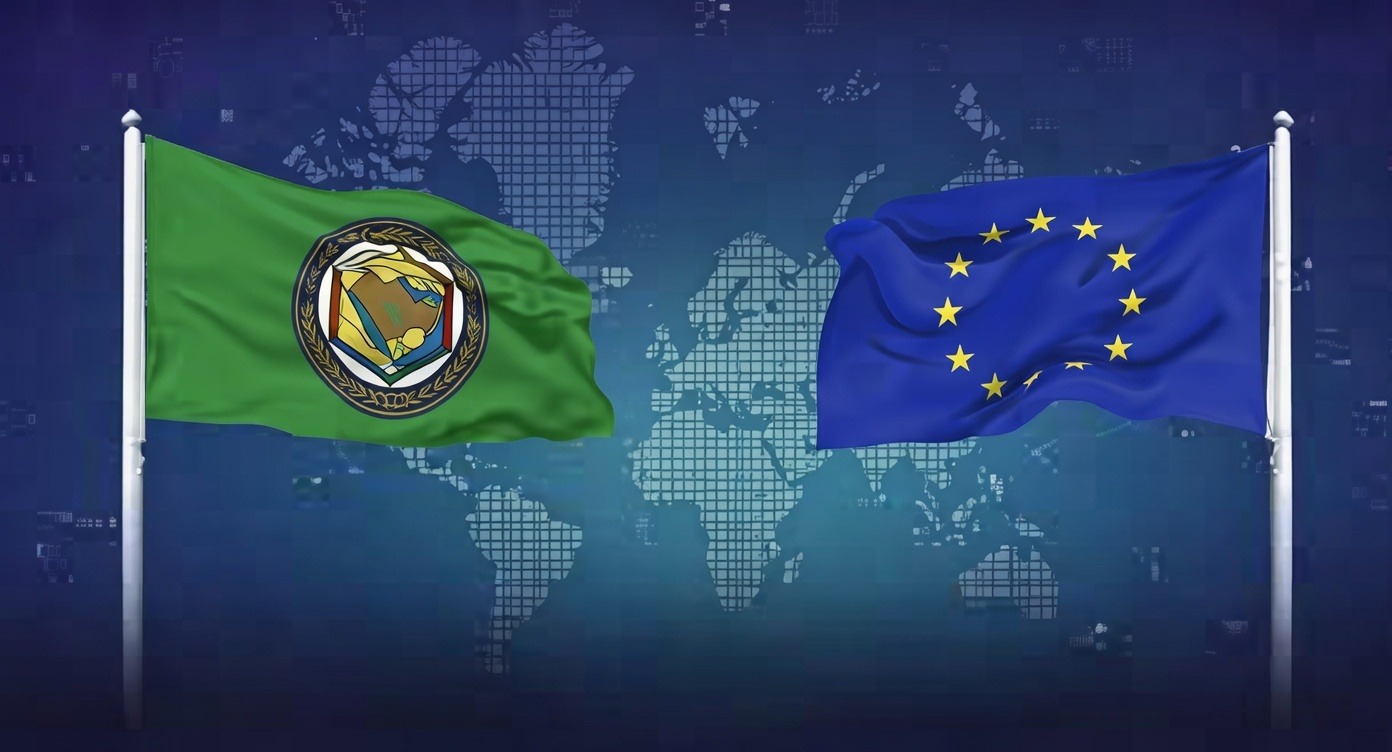
The European Union and the Gulf Cooperation Council have strongly condemned Iran over a series of attacks targeting Gulf countries, warning that the escalating tensions in the Middle East could trigger a wider regional conflict with serious implications for global security, international trade, and energy markets.
The condemnation followed an extraordinary meeting between European Union officials and foreign ministers from the six member states of the Gulf Cooperation Council on 5 March 2026. The emergency consultations were convened amid rising regional tensions after reports that missiles and drones were launched from Iran toward several Gulf nations in what regional officials described as one of the most serious security escalations in the region in recent years.
In a joint statement released after the meeting, leaders from both blocs described the attacks as unacceptable and called on Iranian authorities to immediately halt all military actions against neighboring states. The statement warned that continued aggression could destabilize the Middle East and threaten international peace and security at a time when global geopolitical tensions are already high.
European officials said the situation required urgent diplomatic engagement to prevent the crisis from escalating further.
Speaking after the meeting, the European Union’s High Representative for Foreign Affairs and Security Policy, Kaja Kallas, warned that the reported attacks represent a dangerous escalation that could widen the conflict beyond the Gulf region.
Addressing journalists on 5 March 2026 in Zurich, Switzerland, Kallas emphasized that the European Union stands firmly in support of the sovereignty and territorial integrity of Gulf states. She urged all parties involved in the conflict to exercise restraint and pursue diplomatic dialogue rather than military confrontation.
Kallas noted that the risk of miscalculation in the current climate is extremely high and warned that further escalation could draw additional countries into the confrontation, potentially transforming a regional crisis into a broader international conflict.
Officials from the Gulf Cooperation Council also expressed deep concern about the situation during discussions held in Riyadh, Saudi Arabia. The GCC, which comprises Saudi Arabia, the United Arab Emirates, Qatar, Kuwait, Bahrain and Oman, said the reported strikes targeted strategic facilities and infrastructure in the region, including energy installations and security-related sites.
According to regional authorities, the attacks began on 28 February 2026, when missiles and unmanned aerial vehicles were reportedly launched toward several locations across the Gulf. While air defense systems intercepted many of the projectiles, officials said the attacks heightened fears of a widening conflict that could threaten both civilian populations and critical infrastructure.
The government in Tehran, led by President Masoud Pezeshkian under the authority of Supreme Leader Ali Khamenei, has not fully acknowledged responsibility for the attacks but has accused regional and Western powers of provoking tensions through military deployments and strategic alliances in the region.
Leaders in the Gulf region responded strongly to the reported attacks. Saudi Crown Prince and Prime Minister Mohammed bin Salman described the strikes as a serious violation of international law and a threat to regional stability. He called on the international community to take decisive action to prevent further escalation.
Similarly, the President of the United Arab Emirates, Mohamed bin Zayed Al Nahyan, warned that continued attacks could destabilize one of the world’s most strategically important regions and disrupt global energy supplies.
The developments come amid growing global concern that the confrontation involving Iran and several regional and international actors could evolve into a broader geopolitical crisis if diplomatic efforts fail to contain the situation. Analysts warn that continued attacks, retaliatory strikes, or miscalculations between opposing forces could deepen instability across the Middle East and potentially draw additional global powers into the conflict.