


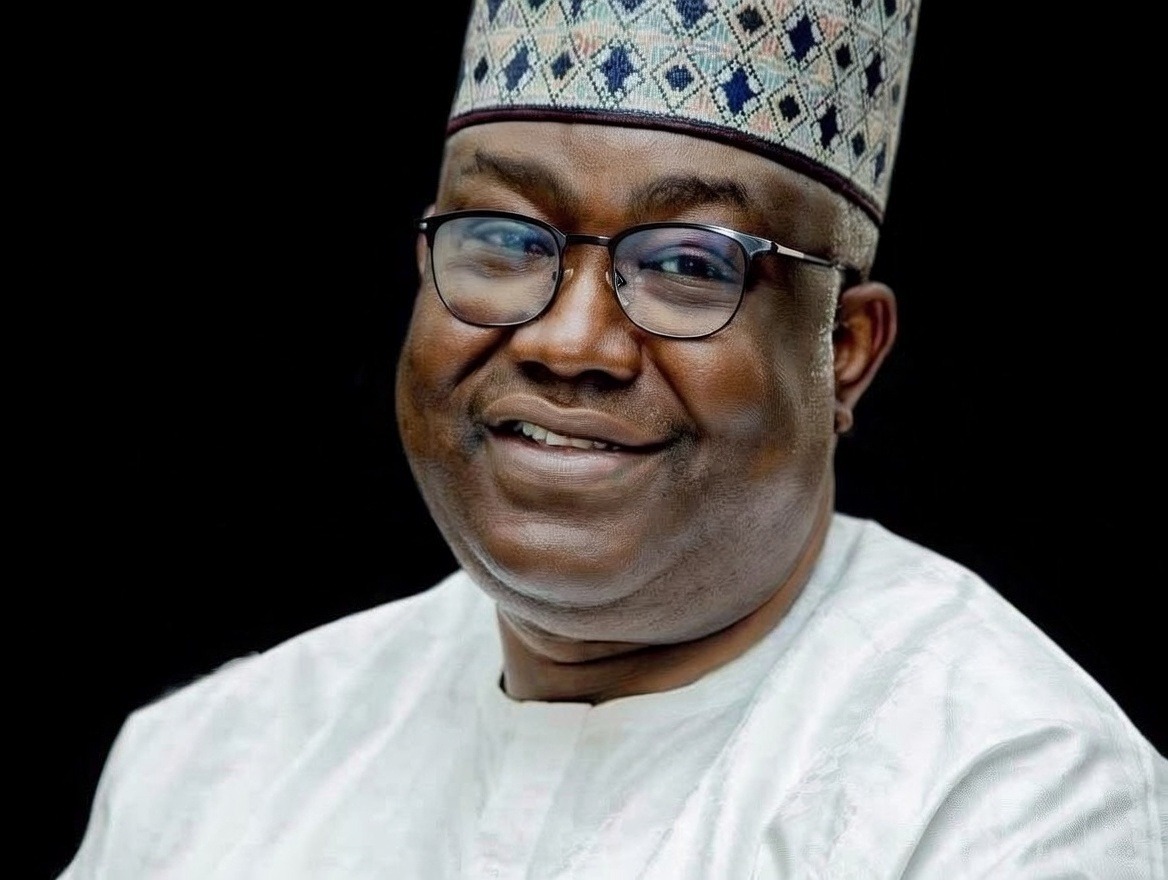
Dr. Gbenga Hashim, a presidential hopeful and prominent figure within the Peoples Democratic Party (PDP), has launched a sharp critique of Nigeria’s current economic performance under President Bola Tinubu, raising concerns about growth, currency stability, and fiscal management. Speaking during a live television interview on 7 February 2026, Hashim argued that Nigeria’s gross domestic product today is smaller than it was under President Olusegun Obasanjo two decades ago, citing official and independent figures that, in his view, reflect stagnation or regression in key economic indicators.
Hashim contended that the lack of robust economic growth has far-reaching consequences for the nation, including limited job creation, reduced infrastructure development, and increased social inequality. “For a country of over 220 million people, to see GDP figures today that do not surpass levels from twenty years ago is alarming,” he said, emphasizing the need for urgent policy interventions to restore growth momentum. He also highlighted the negative impact on the business environment, arguing that economic stagnation discourages entrepreneurship and reduces investor confidence, particularly in sectors such as manufacturing, agriculture, and technology.
A significant portion of Hashim’s critique focused on the exchange rate of the naira, which he said has depreciated sharply against the US dollar and other major currencies under the current administration. According to Hashim, this depreciation has contributed to a rising cost of living, with inflation affecting food, energy, and essential commodities. “The naira’s value directly affects households and businesses,” he said. “When citizens cannot plan for tomorrow because their income cannot keep up with the cost of basic goods, economic policies are clearly failing.” He further noted that the exchange rate volatility has complicated foreign investment, as investors seek more stable markets in other parts of Africa.
Hashim also raised questions about government spending priorities, arguing that fiscal allocations have not effectively addressed critical sectors that could drive sustainable growth. He criticized what he described as over-reliance on oil revenues while insufficient attention is given to diversifying the economy, boosting industrial production, and strengthening local supply chains. The PDP presidential aspirant called for comprehensive fiscal reforms, including more transparent budgeting, stricter oversight of public spending, and targeted investments in education, healthcare, and infrastructure.
Political analysts noted that Hashim’s comments are likely to resonate with voters who feel the economic pinch in urban and semi-urban areas, including Lagos, Abuja, Port Harcourt, Kano, and Ibadan, where inflation has affected daily life and small business operations. Some economists cautioned that comparisons with past administrations should consider differences in global economic conditions, population growth, and fiscal structures over the past two decades. They noted that while GDP growth may appear stagnant in nominal terms, other factors such as population expansion and global economic shocks could influence such comparisons.


