


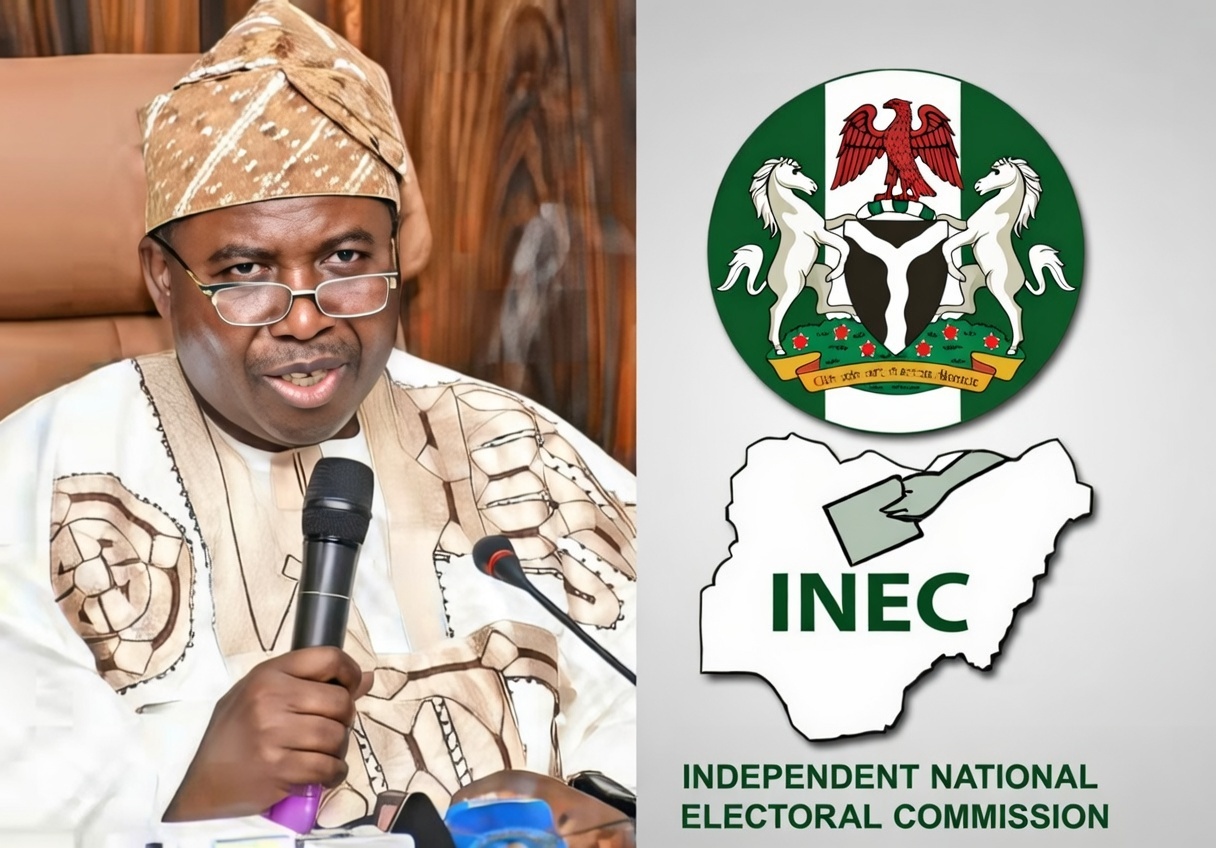
ABUJA, Nigeria — February 27, 2026 — The Independent National Electoral Commission (INEC) has unveiled a revised and comprehensive timetable for the 2027 general elections, officially fixing Saturday, January 16, 2027, for the conduct of the presidential and National Assembly elections across Nigeria.
The announcement was made on Thursday, February 26, 2026, by INEC Chairman, Professor Mahmood Yakubu, during a press briefing held at the Commission’s headquarters in Abuja following a high-level strategy meeting attended by National Commissioners, Resident Electoral Commissioners (RECs) from the 36 states and the Federal Capital Territory, and senior electoral operations directors.
Professor Yakubu explained that the revised timetable is part of a broader institutional reform agenda aimed at improving election logistics, strengthening the deployment of technology, enhancing voter access, and ensuring early compliance by political parties with statutory requirements.
According to the schedule released by INEC, the presidential and National Assembly elections will take place on January 16, 2027, while governorship and State House of Assembly elections will follow on Saturday, January 30, 2027. Party primaries are scheduled to commence on September 7, 2026, and conclude on October 7, 2026. Political parties are expected to submit their nomination forms to INEC not later than November 10, 2026, while the Commission will publish the final list of presidential and National Assembly candidates on December 9, 2026.
Campaigns for the presidential election will officially begin on October 18, 2026, and end 24 hours before polling day, in compliance with the provisions of the Electoral Act 2022.
The January 16 date marks a notable shift from Nigeria’s recent election tradition, where general elections were typically conducted in February. The 2019 presidential election was held on February 23, 2019, while the 2023 presidential election took place on February 25, 2023. Professor Yakubu stated that lessons learned from previous elections informed the decision to move the presidential poll to mid-January, noting that the earlier date allows more time for the resolution of pre-election and post-election legal disputes before the constitutional swearing-in date of May 29, 2027.
“The Commission has carefully reviewed operational reports from the 2023 general elections and subsequent off-cycle governorship elections,” Yakubu said. “This revised timetable provides more time for logistics deployment, staff training, technology testing, and the resolution of legal matters arising from the electoral process.”
He emphasized that the revised schedule fully complies with the 1999 Constitution of the Federal Republic of Nigeria (as amended) and the Electoral Act 2022, adding that the tenure of the President, Vice President, members of the National Assembly, governors, and state lawmakers remains constitutionally fixed and unaffected by the adjustment.
Yakubu further disclosed that nationwide Continuous Voter Registration (CVR) will resume on June 1, 2026, both online and at designated physical centres across the 36 states and the Federal Capital Territory. A public display of the voter register for claims and objections is scheduled for October 2026.
The INEC chairman confirmed that the Bimodal Voter Accreditation System (BVAS) will undergo additional upgrades ahead of the 2027 polls, alongside improvements to the INEC Result Viewing (IReV) portal to enhance transparency in real-time result uploads. He said the Commission had already notified the Nigerian Senate and the House of Representatives, as well as registered political parties and security agencies, about the revised schedule.
Political parties have begun reacting to the development. National Chairman of the All Progressives Congress (APC), Dr. Abdullahi Umar Ganduje, described the early release of the timetable as a positive step toward stability and predictability in the electoral process. Acting National Chairman of the Peoples Democratic Party (PDP), Ambassador Iliya Damagum, called for sustained engagement between INEC and party leadership to clarify operational guidelines, particularly regarding campaign finance regulations and digital campaign activities.
Civil society organisations, including Yiaga Africa and the Centre for Democracy and Development, welcomed the early release of the timetable but urged INEC to intensify voter education efforts, strengthen transparency safeguards, and ensure inclusivity for women, youth, and persons with disabilities.
Security agencies are also expected to begin early coordination meetings with INEC under the Inter-Agency Consultative Committee on Election Security (ICCES). Inspector-General of Police Kayode Egbetokun had previously assured the Commission of robust collaboration to secure polling units and collation centres nationwide.
With less than eleven months to the presidential election and approximately seven months before party primaries begin, the release of the revised timetable effectively signals the formal commencement of Nigeria’s 2027 election cycle. Political alignments, coalition negotiations, and internal party consultations are expected to intensify in the coming months as stakeholders position themselves for what is anticipated to be a consequential national contest.