


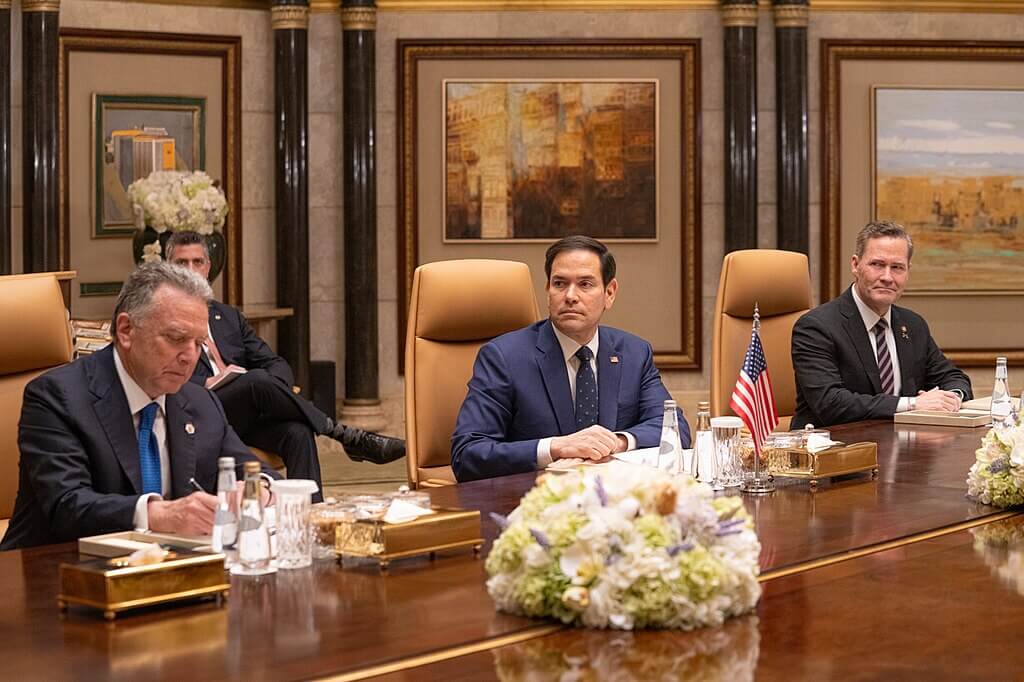
On February 17, 2026, officials from Oman reported significant, albeit cautious, progress in the second round of indirect nuclear negotiations between Iran and the United States, held in Geneva. The discussions, mediated by Oman in its long-standing role as a neutral intermediary, were described by diplomats as technical, constructive, and aimed at gradually restoring trust after years of tension over Iran’s nuclear program.
The negotiations come amid heightened scrutiny from the international community, including the United Nations8 under President Donald Trump, leading to a decade of heightened tensions, regional instability, and intermittent proxy conflicts.
According to statements from the Omani Ministry of Foreign Affairs, the Geneva talks focused on a range of technical issues, including verification mechanisms, phased easing of sanctions, timelines for compliance, and confidence-building measures to reassure both parties of the durability of any agreement. Omani diplomats emphasized that the negotiations are incremental, aiming first at narrowing technical disagreements before addressing broader political disputes.
Iran’s delegation, led by Ali Bagheri Kani, reportedly underscored the importance of guarantees that any deal would withstand political changes in Washington and stressed the need for assurances against renewed sanctions. The U.S. delegation, headed by Robert Malley, maintained that the core focus remains on ensuring that Iran’s nuclear program is exclusively peaceful, with robust verification measures enforced through the International Atomic Energy Agency (IAEA).
Observers note that the negotiations are set against a complex geopolitical backdrop. In recent months, tensions between the U.S. and Iran have been exacerbated by maritime confrontations in the Persian Gulf, proxy conflicts in Iraq and Syria, and the lingering effects of international sanctions on Iran’s economy. Despite these challenges, the Geneva talks demonstrate a rare willingness on both sides to engage in indirect diplomacy, with Oman’s facilitation providing a discreet channel for dialogue that avoids direct confrontation in the public eye.
The second round builds upon an initial session held in January 2026, which established preliminary frameworks for negotiation, identified sticking points, and laid the groundwork for the current technical discussions. Analysts from the International Crisis Group suggest that while immediate breakthroughs remain unlikely, the gradual narrowing of differences could set the stage for future agreements on sanctions relief, nuclear inspections, and regional security cooperation.
According to unnamed diplomatic sources, areas showing progress include the sequencing of sanctions relief, transparency measures for Iran’s uranium enrichment activities, and protocols for IAEA monitoring. However, significant gaps remain regarding the pace of implementation, timelines for compliance, and political guarantees from both Washington and Tehran. These issues will require further negotiation in subsequent rounds, potentially involving European powers as additional mediators or guarantors.
Oman’s facilitation has been credited with keeping the dialogue alive during periods when direct U.S.-Iran engagement was politically sensitive. Officials in Muscat have maintained strict confidentiality around the discussions, allowing negotiators to explore compromises without public pressure. The discreet diplomacy also serves to reassure regional actors, including Saudi Arabia and United Arab Emirates, who have strategic concerns about Iran’s nuclear capabilities.
As of February 18, 2026, both Tehran and Washington have expressed cautious optimism. U.S. officials highlighted that measurable technical progress has been made, while Iranian sources confirmed that dialogue is constructive and that both sides are exploring realistic pathways for cooperation. However, diplomats stress that trust-building remains fragile, and any misstep could quickly derail the process, especially given domestic political pressures in both capitals.
The unfolding Geneva talks reflect a broader recognition that diplomacy, even if indirect and incremental, remains the most viable path to mitigating nuclear proliferation risks and reducing regional tensions. While substantive agreements may still be months away, the progress reported by Omani officials underscores a rare moment of cautious diplomatic momentum, signaling that both Iran and the United States are willing, at least for now, to engage in structured negotiation rather than confrontation.
This latest round of discussions also highlights the pivotal role of neutral actors like Oman in facilitating complex international negotiations. By providing a secure, confidential environment for dialogue, Oman enables negotiators to test proposals, build incremental consensus, and prepare for eventual agreements that could stabilize the region and prevent escalation into conflict. If sustained, these diplomatic efforts in Geneva may mark a slow but meaningful step toward restoring structured U.S.-Iran engagement on one of the world’s most sensitive security issues.
As of February 17, 2026, both Washington and Tehran have expressed guarded optimism but cautioned that much work remains. The outcome of these talks will be closely monitored by international stakeholders, including the United Nations, the European Union, and neighboring Gulf states, all of whom have vested interests in nuclear non-proliferation and regional stability.
Oman’s discreet facilitation highlights its role as a trusted intermediary in complex international negotiations, maintaining channels of communication where direct diplomacy remains politically sensitive. The unfolding Geneva discussions suggest that while progress is measured, the international community is witnessing a rare moment of cautious diplomatic momentum between Iran and the United States.