


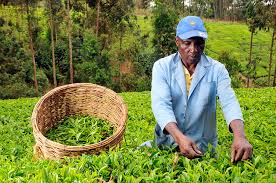
Agribusiness and trade stakeholders believe Nigeria’s herbal tea industry holds untapped potential as a foreign exchange earner, urging government support to scale production, strengthen quality control, and build value chains for export markets. A roundtable held in Lagos brought together farmers, exporters, research institutions and policymakers to examine constraints and opportunities.
Participants argued that Nigeria’s biodiversity and climate advantage allow cultivation of herbs such as moringa, hibiscus, lemon grass, and other aromatic plants with global demand. However, challenges such as low processing capacity, weak certification systems, inconsistent standards, and poor market linkages were highlighted as key hindrances.
Speakers called on federal and state governments to provide incentives — such as credit access, support for post-harvest processing, export certification bodies, and marketing assistance — to enable small and medium producers to compete internationally. Researchers also recommended public-private partnerships for establishing herbal mills, laboratories and shared quality assurance infrastructure.
If properly harnessed, the sector could diversify Nigeria’s non-oil exports and support rural livelihoods across agrarian states, creating value beyond raw commodity exports.