


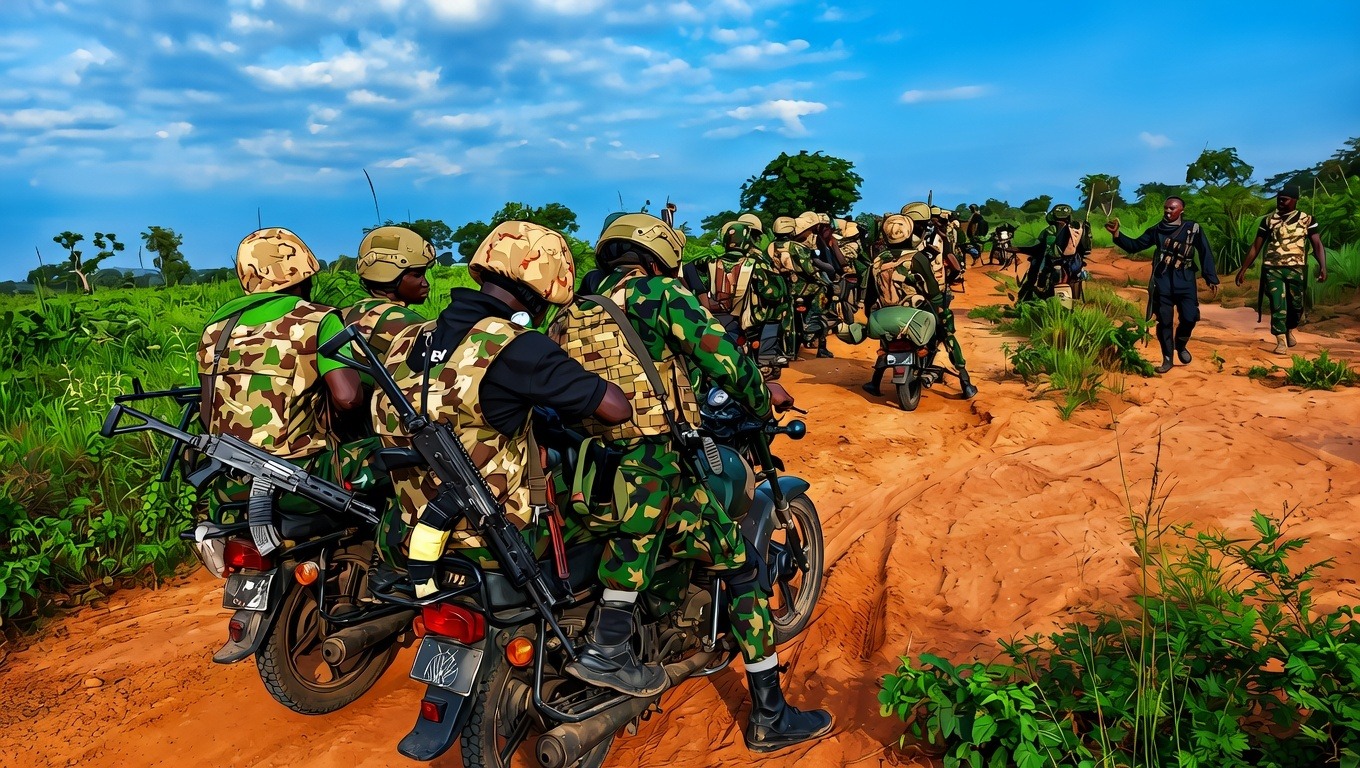
Troops of the 13 Brigade of the Nigerian Army successfully repelled a well-coordinated ambush by suspected armed criminals during a security operation along rural highways in Cross River State, highlighting ongoing military efforts to curb criminal activity in Nigeria’s South-South region. The incident occurred on March 12, 2026, near Ikom and Obubra Local Government Areas, regions known for sporadic attacks on travelers and commercial vehicles. The engagement underscores the persistent security challenges in rural parts of the state and the continued efforts of the Nigerian Army to protect civilians and commercial activities.
Brigadier General Olumide Adeyemi, commander of the 13 Brigade headquartered in Calabar, confirmed the engagement in a press briefing on March 13, 2026. He said, “Our troops received credible intelligence regarding a criminal group planning to ambush travelers and transporters along these rural routes. The soldiers acted swiftly and decisively, repelling the attackers and neutralizing four armed criminals. No casualties were sustained by our personnel. This operation reflects our ongoing commitment to ensuring the safety of residents and commercial operators in the South-South region.”
The military reported that the attackers, armed with firearms and other improvised weapons, attempted to ambush commuters and logistics convoys traveling between smaller towns and regional markets in Cross River State. Troops deployed to the area conducted a series of coordinated patrols and intelligence-led operations, intercepting the armed group before they could inflict further damage. The ambush is part of a broader pattern of criminal activity along highways connecting Ikom, Obubra, Ogoja, and surrounding rural communities, with isolated villages and small settlements particularly vulnerable to bandit raids, robbery, and kidnappings.
Local residents welcomed the swift military response, noting that previous incidents along these highways had left communities in fear. Chief Emmanuel Ekwere, a community leader in Obubra, stated on March 12, 2026, “The presence and intervention of the Nigerian Army have restored a sense of safety for travelers and traders. For weeks, people have been afraid to move along these routes, and such operations provide reassurance that security forces are actively protecting our communities.” Residents also reported that visible patrols and checkpoints in the aftermath of the ambush have deterred further criminal activity and improved the perception of security in remote areas.
Cross River State Governor Bassey Otu, who visited Calabar on March 13, 2026, commended the troops for their professionalism and courage. He reaffirmed the state government’s commitment to collaborating with federal security agencies to address rural insecurity. Governor Otu emphasized the importance of improving surveillance, deploying rapid response teams, and leveraging intelligence to prevent attacks before they occur. “Protecting our citizens and ensuring safe movement of goods and people is a top priority,” Otu said. “We will continue to work closely with the Nigerian Army, the Nigeria Police Force, and local communities to ensure that our highways and rural routes remain secure.”
Analysts note that while the immediate military intervention prevented potential casualties among civilians and disrupted the criminal group’s plans, sustainable security in the South-South region requires a comprehensive approach. This includes investments in rural infrastructure, improved road lighting, development of community policing programs, and social and economic initiatives to reduce the incentive for criminal activity. Security expert Dr. Chinedu Obi, based in Calabar, explained, “Operations like these are critical for immediate protection, but without addressing underlying socioeconomic factors and enhancing local intelligence networks, criminal elements will continue to exploit rural areas.”
The Nigerian Army’s operations in Cross River State form part of a larger effort across the South-South region, including Rivers, Akwa Ibom, and Bayelsa States, where sporadic criminal incidents along isolated highways have disrupted commerce, travel, and daily life. Troops from the 13 Brigade have been conducting regular patrols, setting up checkpoints, and collaborating with local vigilante groups to maintain security along vulnerable routes. Military officials also stated that the army is exploring the use of drones and improved communication networks to monitor and respond to threats in remote areas more effectively.
The March 12 ambush highlights the challenges of protecting rural communities, where limited infrastructure and low police presence leave residents exposed to criminal activity. In addition to neutralizing attackers, the Nigerian Army has been engaging with local leaders and community organizations to educate residents on safety measures and encourage the reporting of suspicious activity. Community liaison officers, deployed in Obubra, Ikom, and Ogoja, have been instrumental in gathering intelligence and fostering trust between residents and security forces.
As of March 13, 2026, the 13 Brigade continues to maintain a visible presence along key rural highways, with joint patrols involving the Nigerian Police Force and state security services. Authorities have also planned community outreach programs to further reinforce safety measures, including workshops for transport operators, traders, and local leaders on identifying and reporting potential threats. Analysts predict that the combination of immediate military action, community engagement, and improved infrastructure could significantly reduce incidents of highway ambushes and criminal activity in Cross River State over the coming months.
Governor Bassey Otu and Brigadier General Olumide Adeyemi both stressed that ongoing collaboration with federal authorities, including the Ministry of Defence and the Nigerian Army Headquarters in Abuja, will be key to sustaining these security gains. Residents in rural towns, particularly along the Ikom–Obubra–Ogoja corridor, have expressed optimism that consistent military presence and proactive measures will ensure safer travel, restore confidence in commerce, and contribute to broader stability across the South-South region.