


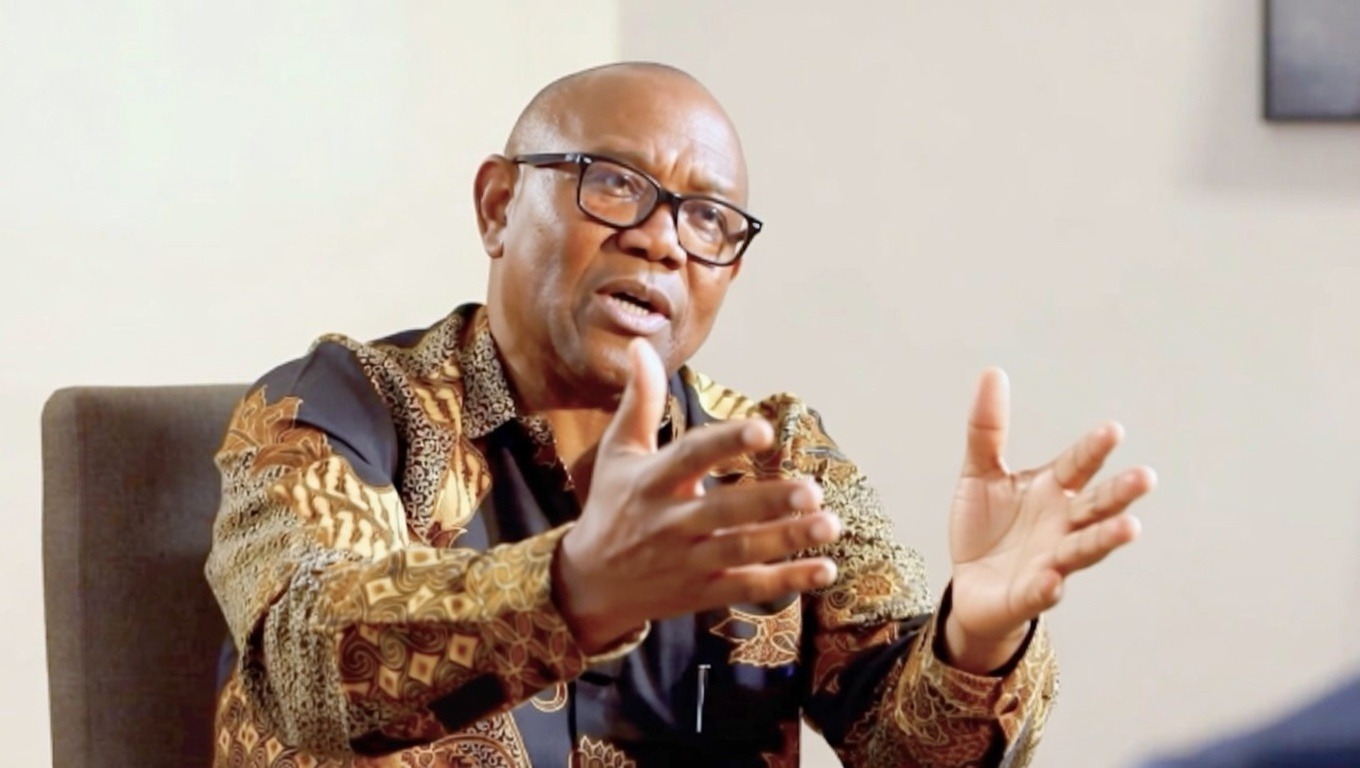
The Presidency has accused former Anambra State governor and African Democratic Congress figurehead, Peter Obi, of political inconsistency, citing a sharp reversal in his past and present positions on Nigeria’s political elite.
The criticism followed the circulation of a video in which Obi appeared to acknowledge several senior political actors as leaders within the current opposition coalition, despite previously denouncing similar figures as part of what he once described as a structure of criminality .
Presidential spokesperson and Special Adviser on Information and Strategy, Bayo Onanuga, described Obi’s latest posture as a dramatic U-turn that raises questions about his credibility, ideological consistency, and long-term political convictions. The Presidency argued that Obi’s shift signals a willingness to abandon earlier principles in pursuit of broader political alliances and electoral advantage.
According to the Presidency, Obi’s earlier political messaging was built around distancing himself from entrenched political figures whom he portrayed as symbols of corruption and systemic failure. However, recent public remarks suggesting alignment with some of those same figures have been interpreted as evidence of strategic repositioning rather than principled leadership..
The presidential camp further contended that the development undermines the narrative that fueled Obi’s previous political appeal, particularly among younger voters who supported him based on promises of reform, political integrity, and a break from the established order. It was argued that the perceived contradiction could weaken public trust in his political brand and raise doubts about the authenticity of his reform agenda.
Officials within the Presidency maintained that effective leadership requires consistency, clarity of purpose, and alignment between rhetoric and action, qualities they claim Obi has failed to demonstrate in his evolving political strategy. The episode was described as part of a broader pattern of repositioning driven by ambition and electoral calculations rather than firm ideological commitment.
The controversy has intensified political debate ahead of the 2027 electoral cycle, with analysts suggesting that Obi’s shifting alliances could influence both opposition dynamics and voter perceptions, particularly among reform-minded constituencies that once formed the backbone of his support base.


