


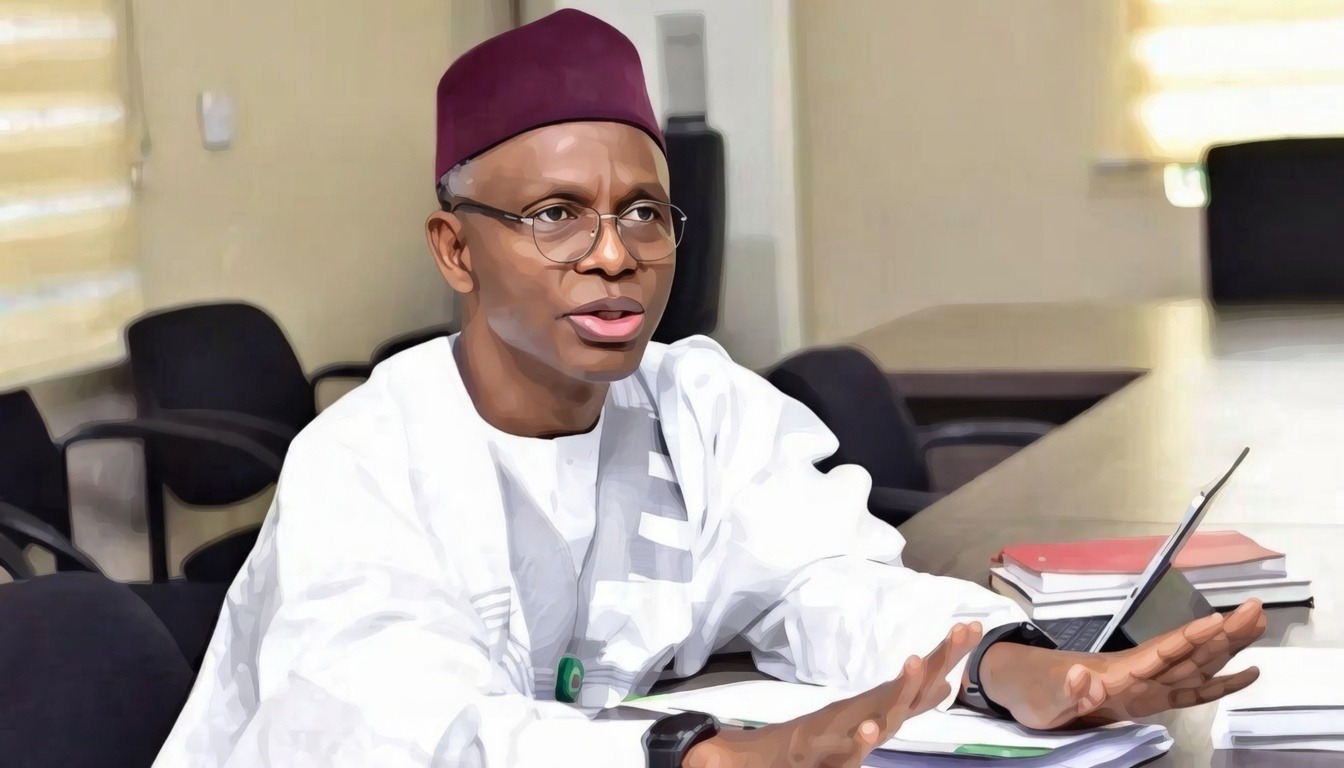
Legal and political tension intensified across Nigeria on Thursday, 5 March 2026, as the 14-day remand warrant obtained by the Independent Corrupt Practices and Other Related Offences Commission (ICPC) for the continued detention of former Nasir Ahmad El-Rufai expired, prompting growing debate among legal experts, political figures, and civil society organizations over whether the anti-corruption agency can lawfully continue holding the former governor without securing a fresh order from the court.
The remand order had reportedly been granted on 20 February 2026 by a magistrate court sitting in Abuja, the capital of Nigeria, allowing investigators from the ICPC to detain El-Rufai for two weeks while they pursued an ongoing investigation into alleged financial misconduct, abuse of office, and irregularities in government contracts linked to his administration during his time as governor of Kaduna State between 2015 and 2023.
According to officials familiar with the case, the investigation centers on multiple infrastructure and public procurement projects executed during El-Rufai’s tenure, including road construction, urban renewal programs, and state government financial management practices. The ICPC is believed to be reviewing procurement documentation, contract approval processes, and financial records associated with the Kaduna State Government in order to determine whether due process was followed in the award and execution of several high-value projects.
The expiration of the remand warrant on Thursday has now placed the anti-corruption commission under legal scrutiny, with several constitutional lawyers arguing that the continued detention of the former governor without a renewed court authorization could violate the fundamental rights provisions of the Nigerian Constitution, particularly those relating to personal liberty and due process.
Prominent human rights lawyer Femi Falana, speaking during a televised legal discussion in Lagos on 4 March 2026, stressed that anti-corruption agencies must operate strictly within the framework of the law, even when investigating serious allegations. Falana noted that if investigators require additional time to complete their inquiries, the lawful course of action would be to return to the court and apply for an extension or obtain a fresh remand order rather than continue detention without judicial authorization.
The case has also generated significant political reactions within Nigeria’s political landscape. Supporters of El-Rufai, a prominent member of the ruling All Progressives Congress (APC), have raised concerns that the investigation could be politically motivated, pointing to the former governor’s influential role in national politics and his outspoken commentary on governance and economic policy since leaving office in May 2023.
Several political allies of the former governor have urged the ICPC to respect legal procedures and ensure transparency in the handling of the case. Some members of the opposition have also weighed in, stating that while corruption investigations must be pursued thoroughly, the rule of law must remain paramount in all criminal proceedings.
Civil society organizations and anti-corruption advocacy groups have similarly called for clarity from the ICPC regarding the next legal step in the matter. Some groups have emphasized that Nigeria’s anti-corruption fight must balance rigorous enforcement with respect for constitutional protections, warning that procedural violations could weaken public confidence in ongoing corruption investigations.
As of Thursday evening in Abuja, officials from the ICPC had not issued a formal public statement indicating whether the commission intends to release El-Rufai, apply for a renewed remand order, or file formal charges against him in court. Legal analysts say the decision could significantly shape the next phase of the case and determine whether the matter proceeds to trial.
The controversy surrounding the detention comes amid heightened national focus on anti-corruption enforcement under the administration of President Bola Ahmed Tinubu, whose government has repeatedly pledged to strengthen institutional accountability and pursue corruption cases involving current and former public officials.
Observers note that the outcome of the El-Rufai investigation could become one of the most closely watched political and legal developments in Nigeria in 2026, given the former governor’s prominence in national politics and the broader implications the case may have for governance, judicial oversight, and the credibility of anti-corruption institutions in the country.
Legal experts say the coming days will be critical, as the ICPC must now decide whether to seek a new judicial authorization, present formal charges before a competent court, or release the former governor pending further investigation, a decision that could have far-reaching political and legal consequences within Nigeria.


