


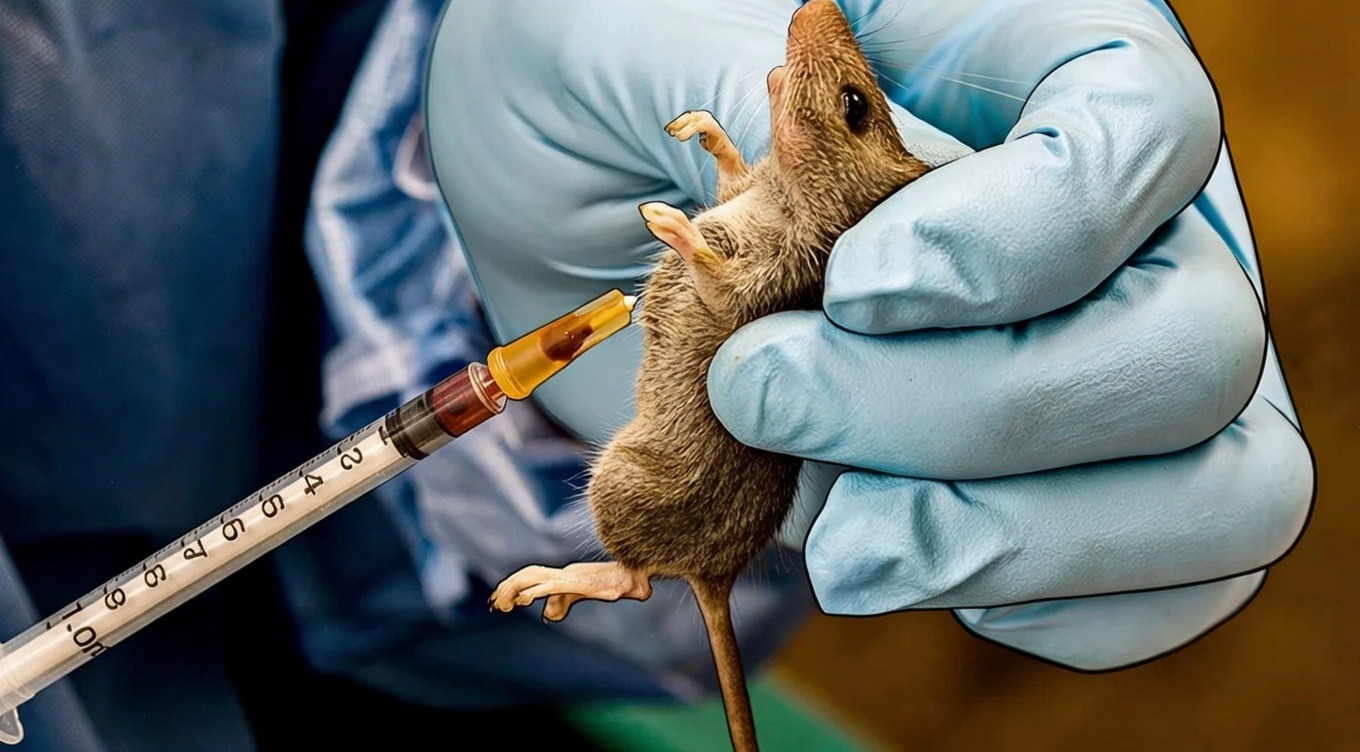
Health authorities and medical experts in Nigeria have raised renewed alarm over the increasing number of infections and fatalities linked to Lassa fever, as hospitals and disease surveillance agencies report a surge in cases across multiple states, prompting urgent calls for stronger public health measures, improved sanitation, and heightened public awareness to prevent further spread of the disease.
The Nigeria Centre for Disease Control and Prevention (NCDC) confirmed in its latest epidemiological situation update released in early March 2026 that the viral hemorrhagic disease continues to spread in several parts of the country, with new confirmed and suspected cases emerging weekly. According to the agency, the outbreak is following the seasonal pattern typically observed during Nigeria’s dry season months between November and April, a period historically associated with increased transmission of the virus.
Health officials reported that states including Ondo State, Edo State, Bauchi State, Taraba State, Ebonyi State, and Benue State have recorded a significant proportion of the confirmed infections, with several hospitals reporting increased patient admissions for symptoms consistent with the disease. These states are among the areas historically considered endemic zones for Lassa fever in Nigeria.
Medical professionals working at major treatment centers say the rising case numbers are beginning to strain available medical resources, particularly in facilities designated for the management of hemorrhagic fever cases. The Irrua Specialist Teaching Hospital located in Irrua in Edo State, which serves as one of Nigeria’s leading referral centers for Lassa fever treatment and research, has reportedly seen a steady increase in patient referrals from surrounding states.
Lassa fever is an acute viral hemorrhagic illness caused by the Lassa virus and is primarily transmitted to humans through contact with food or household materials contaminated by the urine or droppings of infected multimammate rats, the primary animal reservoir of the virus. Human-to-human transmission can also occur, particularly in healthcare settings through direct contact with the blood, tissue, secretions, or other bodily fluids of infected individuals.
Public health experts warn that the symptoms of Lassa fever can initially resemble those of other common illnesses such as malaria or typhoid fever, which sometimes leads to delays in diagnosis and treatment. Early symptoms often include fever, general weakness, headache, sore throat, chest pain, nausea, vomiting, and diarrhea. In more severe cases, the disease may progress to facial swelling, bleeding from body openings, respiratory distress, shock, and organ failure.
The Director-General of the Nigeria Centre for Disease Control and Prevention, Jide Idris, addressed the growing concern during a public health briefing held in Abuja on Tuesday, 4 March 2026. Idris emphasized that while Nigeria has improved its capacity to detect and manage Lassa fever cases in recent years, the country must continue strengthening community awareness and early reporting systems to effectively control outbreaks.
He urged Nigerians to seek immediate medical attention if they experience persistent fever or other unusual symptoms, particularly in communities where cases have already been reported. Idris also stressed the importance of maintaining strict hygiene practices at home and within communities to reduce the likelihood of exposure to infected rodents.
Health officials say poor environmental sanitation remains one of the major factors contributing to the continued spread of Lassa fever in many parts of Nigeria. Open waste disposal, poorly stored food items, overcrowded housing conditions, and inadequate rodent control measures create environments that allow rats to thrive and increase the risk of human exposure to the virus.
In response to the rising infections, the NCDC said it has intensified disease surveillance and deployed rapid response teams to several affected states to assist local health authorities in contact tracing, case management, and laboratory testing. The agency has also been working closely with state ministries of health to strengthen infection prevention and control practices in hospitals and clinics.
International partners are also supporting Nigeria’s response efforts. The World Health Organization has continued to collaborate with Nigerian health authorities by providing technical expertise, supporting training programs for healthcare workers, and assisting with improvements in laboratory diagnostics and disease monitoring systems.
Experts say early detection and prompt treatment remain critical to reducing fatalities associated with Lassa fever. The antiviral drug ribavirin has been shown to significantly improve survival rates when administered in the early stages of the illness. However, delayed diagnosis, limited access to specialized treatment facilities in some regions, and low levels of public awareness still present major challenges in controlling the disease.
Public health campaigns are therefore being intensified to educate communities about preventive measures such as proper food storage, safe waste disposal, keeping homes clean to discourage rodent infestations, and avoiding contact with rodents or their droppings. Healthcare workers are also being reminded to maintain strict infection prevention protocols, including the use of protective equipment when treating suspected cases.