


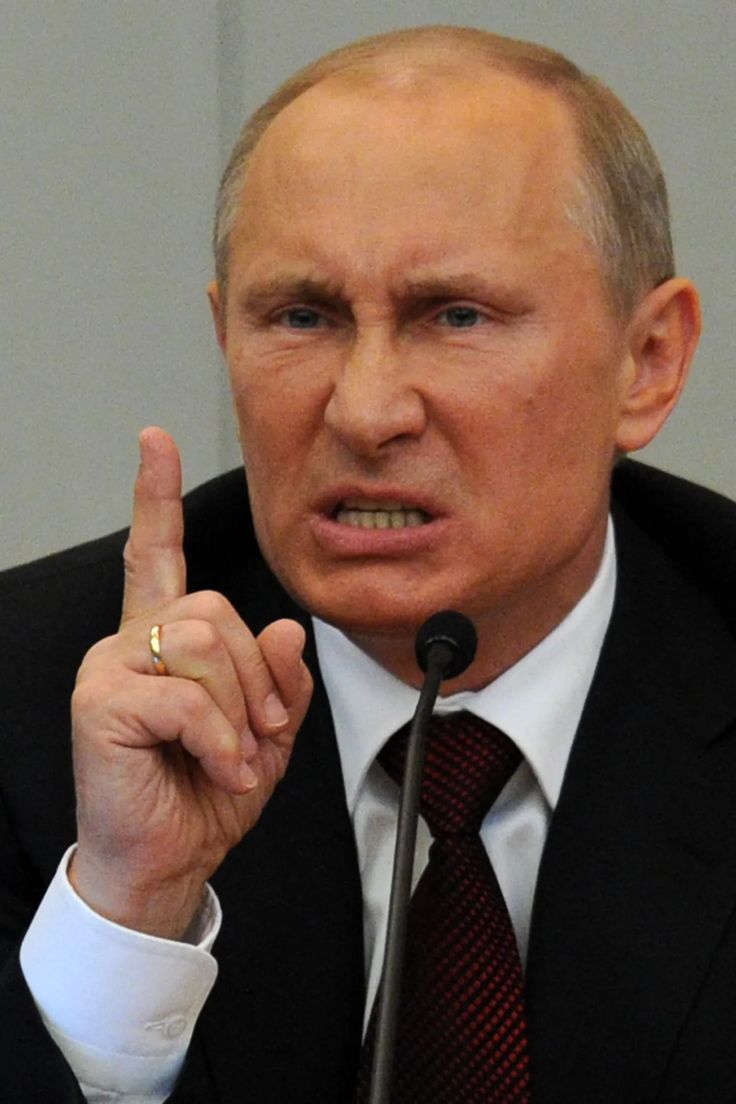
President Vladimir Putin of Russia on Monday, 2 March 2026, initiated a series of urgent telephone consultations with several Arab leaders following coordinated military strikes carried out by the United States and Israel on targets in Iran, in a development that has heightened tensions across the Middle East.
According to an official statement released by the Kremlin in Moscow on the evening of 2 March, Putin strongly condemned the strikes, describing them as actions that risk “serious destabilization” of the region. The Kremlin noted that the Russian leader emphasized the need for restraint, warning that continued military escalation could lead to unpredictable consequences extending beyond the immediate theatre of operations.
The airstrikes, reportedly conducted late Sunday, 1 March 2026, targeted what US and Israeli officials described as strategic military infrastructure linked to Iranian security interests. In Washington, President Joe Biden stated that the operations were intended to “neutralize imminent threats,” while in Tel Aviv, Prime Minister Benjamin Netanyahu said Israel would continue to act against what he described as “existential security challenges.” Both governments framed the strikes as defensive in nature.
However, Moscow took a sharply critical position. The Russian Foreign Ministry, in a separate statement issued on 2 March, characterized the operation as a violation of international law and called for an emergency session of the United Nations Security Council in New York. Russian diplomats argued that unilateral military action without broader international consensus undermines global stability and increases the risk of retaliation.
During his diplomatic outreach, Putin held separate telephone conversations with President Sheikh Mohamed bin Zayed Nahyan of the United Arab Emirates, Emir Sheikh Tamim bin Hamad Thani of Qatar, and King Hamad bin Isa Khalifa of Bahrain. The discussions centered on the evolving security landscape and the need to prevent further deterioration of relations between regional actors.
According to the Kremlin readout, Putin reiterated Russia’s commitment to supporting diplomatic efforts aimed at de-escalation. He reportedly underscored the importance of maintaining open communication channels between Tehran and Gulf capitals to avoid miscalculation. The Russian president also expressed concern about the potential impact of sustained hostilities on global energy markets, given the strategic importance of the Gulf region to international oil supply.
In a separate call with Iranian President Masoud Pezeshkian on 2 March, Putin conveyed condolences for casualties resulting from the strikes in Tehran and other affected areas. The Kremlin stated that both leaders discussed measures to strengthen bilateral cooperation and agreed that political dialogue remains the only viable path toward long-term stability. Russia and Iran maintain close economic, military, and strategic ties, including cooperation in Syria and energy development projects.
Regional reactions have varied. Officials in Riyadh, Muscat, and Cairo have reportedly engaged in parallel consultations to assess the implications of the strikes. While Saudi Arabia has not publicly endorsed Russia’s position, diplomatic sources indicate that Gulf Cooperation Council members are concerned about the possibility of retaliatory action that could disrupt maritime security in the Strait of Hormuz.
International stakeholders have also weighed in. The European Union issued a statement on 2 March urging all sides to exercise maximum restraint, while the United Nations Secretary-General called for immediate steps to prevent further escalation. Security analysts warn that any retaliatory measures by Iran or its regional allies could draw additional actors into the confrontation, potentially expanding the conflict beyond its current scope.
Russia’s swift diplomatic engagement reflects its strategic interests in the Middle East. Moscow has cultivated strong ties with Tehran while simultaneously maintaining economic and energy partnerships with Gulf states through the OPEC+ framework. Analysts say Putin’s outreach is aimed at preserving Russia’s influence in the region while positioning Moscow as a potential mediator capable of facilitating dialogue between opposing blocs.
As of Tuesday, 3 March 2026, no further military action had been officially confirmed. However, regional security forces remain on heightened alert, and diplomatic channels are actively engaged. Observers note that the coming days will be critical in determining whether the situation stabilizes through diplomatic intervention or escalates into a broader regional confrontation.
The crisis underscores the fragile balance of power in the Middle East and highlights the complex web of alliances that shape geopolitical developments in the region. With major global powers now directly engaged in diplomatic maneuvering, international attention remains focused on efforts to prevent the outbreak of a wider conflict.