


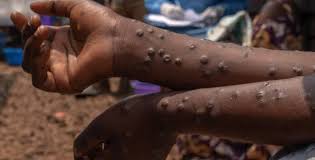
Sierra Leone has officially declared the Mpox outbreak over, marking a major public health milestone after more than two years fighting the virus that swept across the country earlier in 2025. The Ministry of Health announced the end of the epidemic after 42 consecutive days with no new reported cases, meeting the World Health Organization’s criteria for declaring an outbreak over. All 16 districts in the country are now free of active Mpox transmission.
The Mpox epidemic first emerged in the country in January 2025, and prompted the government to declare a Public Health Emergency as cases surged, peaking with thousands of confirmed infections and dozens of deaths. Nationwide response efforts included vaccination campaigns, surveillance, isolation and treatment protocols, and community outreach to stem spread of the virus. Sierra Leone’s health authorities and partners worked to vaccinate tens of thousands of people and expand testing and contact tracing capacity during the outbreak.
Public health officials have celebrated the declaration as a testament to coordinated action, strong leadership and community involvement. The Ministry of Health noted that over 99 per cent recovery was achieved among those infected, and emphasized that vigilance and surveillance would continue to prevent future resurgence.
However, as the country transitions to post-outbreak status, many Mpox survivors continue to face stigma and discrimination in their communities. Individuals who recovered from the disease report social rejection by family members, loss of jobs, and difficulty reintegrating into daily life. The discrimination appears to be driven by misinformation, fear and mistrust of public health messages about the virus, despite clinical recovery.
Advocates and survivor networks are now focused on education and awareness campaigns to combat stigma and support reintegration, while urging sustained public health communication to ensure that survivors are treated respectfully and fairly.


