


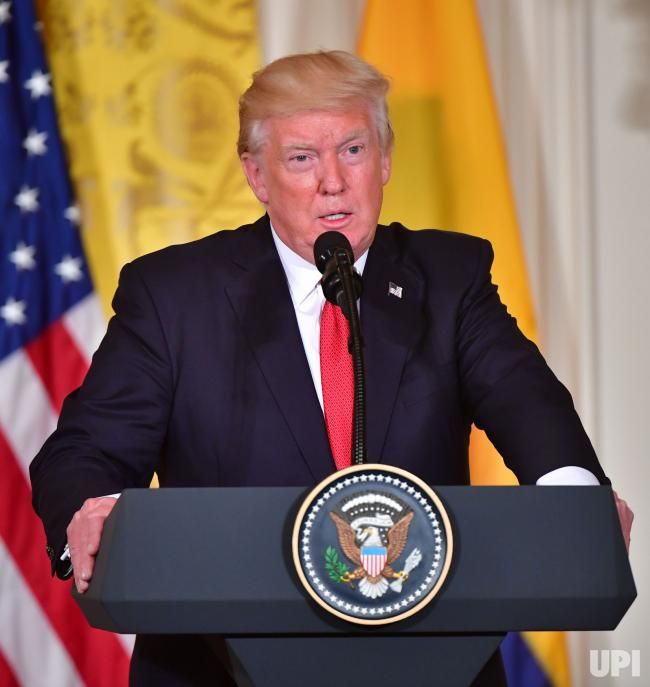
U.S. President Donald Trump expressed cautious optimism on Sunday about the possibility of reaching a diplomatic agreement with Iran, even as tensions in the Middle East remain elevated. Speaking to reporters at the White House, Trump said he was “hopeful” that Washington and Tehran could negotiate a deal, while acknowledging the fragility of the situation. “Hopefully, we’ll make a deal. If we don’t, then we’ll find out whether or not he was right,” Trump said, referring to Iran’s Supreme Leader Ayatollah Ali Khamenei, who had earlier warned that any U.S. military strike could trigger a wider regional conflict.
The remarks come at a time of heightened concern among global leaders, investors, and analysts, who note that the Middle East is already navigating a complex web of political, economic, and security challenges. Over the past several weeks, Iran has been signaling a willingness to engage in dialogue, even as it continues to assert its defensive and strategic interests. According to local media reports, President Masoud Pezeshkian has ordered the start of nuclear negotiations with U.S. counterparts, emphasizing that Iran seeks to avoid open conflict while protecting its core national interests.
Officials in Tehran have indicated that the talks may address nuclear program limitations, sanctions relief, and regional security issues, though details remain limited. Analysts say that even the prospect of renewed engagement is significant after years of heightened tensions, which have included international sanctions, proxy conflicts, and repeated accusations of aggression on both sides. While both Washington and Tehran appear willing to explore negotiation as a way to prevent escalation, deep mistrust remains a central barrier to rapid progress.
Despite the apparent diplomatic momentum, regional tensions remain palpable. Ayatollah Khamenei warned that any U.S. strike could provoke a “regional war,” underlining the potential risks of miscalculation. In response, Washington has maintained a significant naval presence in the Gulf, including aircraft carriers and support ships, signaling that military options remain available should diplomacy fail. Analysts note that Iran-backed groups in Yemen, Syria, and Iraq further complicate the security landscape, creating multiple points of potential escalation. Even minor incidents could trigger rapid instability, making careful coordination and negotiation crucial.
Markets have already reacted to the diplomatic signals. On Monday, February 2, Gulf stock indexes rose, while oil prices fell, reflecting investor optimism that tensions could ease. The financial response underscores how closely regional stability is tied to global energy markets and investor confidence. Traders and policymakers alike are closely watching both the diplomatic and military developments, balancing the hope for de-escalation against the reality of ongoing instability.
While the prospect of negotiation is encouraging, analysts warn that significant hurdles remain. Mistrust between Washington and Tehran runs deep, built up over decades of conflicting interests, sanctions, and military confrontations. Iran has emphasized that any potential deal must respect its security concerns, including its missile program and defensive posture. The scope and agenda of negotiations remain uncertain, and both sides will need credible enforcement mechanisms and political will to produce tangible results.