


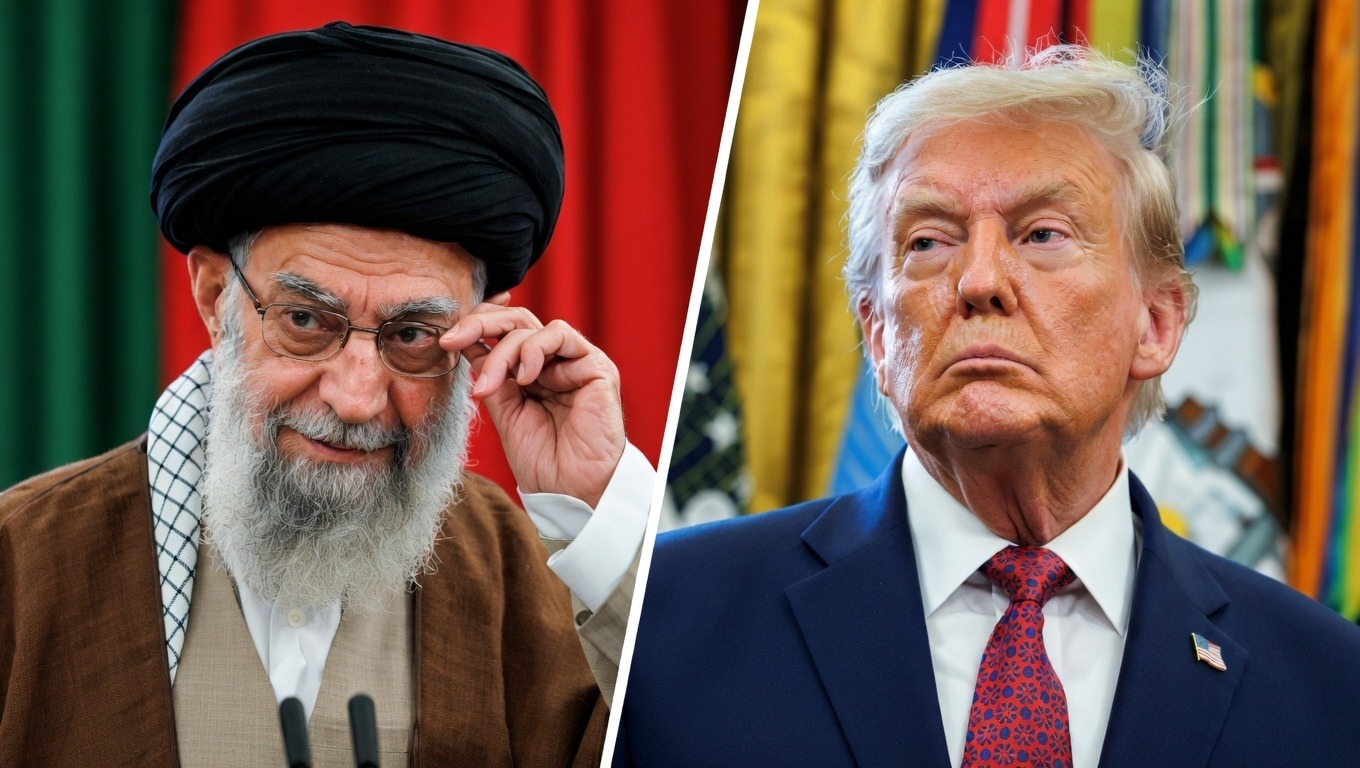
U.S. President Donald Trump sparked international debate and diplomatic concern on March 12, 2026, with a series of statements regarding Iran’s leadership amid an intensifying military conflict involving the United States, Israel, and Iran. The remarks coincided with nearly two weeks of escalating violence in the region, including drone strikes, missile exchanges, and attacks on strategic installations in multiple countries.
In a statement posted late on March 12 on the social media platform Truth Social, Trump described actions taken by U.S. forces against Iranian targets, including missile sites and command centers, as a “great honor.” He specifically referenced confronting Iranian leadership, prompting immediate criticism from foreign governments, political opponents in Washington, and international human rights organizations. Analysts warned that the remarks could exacerbate tensions and complicate ongoing diplomatic efforts aimed at de-escalating the situation.
White House Press Secretary Jennifer Martinez, speaking at a briefing in Washington, D.C. on March 13, clarified that the president’s comments were intended to highlight support for U.S. military personnel and that official U.S. policy does not target civilians or endorse extrajudicial actions. Martinez said, “President Trump’s remarks reflect admiration for the courage of our service members in the region. Our policy remains focused on protecting American citizens, our allies in Israel, and maintaining regional stability.”
Domestically, reactions were sharply divided. Republican Senator Tom Cotton of Arkansas praised Trump’s stance, saying in a March 13 interview from Washington, D.C., “A firm posture against Iranian aggression is essential to protect our strategic interests and support our ally, Israel.” Conversely, Democratic Senator Chris Murphy of Connecticut condemned the remarks as “reckless and inflammatory,” stating that “celebrating the targeting of foreign leaders risks escalating military tensions and undermining diplomatic channels.” Several other Democratic and independent lawmakers echoed concerns, emphasizing the potential humanitarian impact of heightened military rhetoric.
Internationally, Iran responded swiftly. Nasser Kanaani, spokesperson for the Iranian Foreign Ministry, issued a statement from Tehran on March 13 condemning Trump’s comments as “provocative and destabilizing,” and reaffirmed Iran’s commitment to defend its territory. Iran’s Supreme Leader, Mojtaba Khamenei, also released an official statement on March 12 emphasizing continued resistance to foreign intervention and highlighting Iran’s strategic leverage over regional chokepoints, including the Strait of Hormuz. Iranian officials warned that aggressive rhetoric could strengthen hardline positions within the country and complicate potential diplomatic negotiations.
The geopolitical backdrop to Trump’s remarks is a conflict that escalated in late February 2026. Israel initiated coordinated airstrikes on Iranian military facilities, citing threats from missile and drone capabilities allegedly directed at Israeli targets. Iran responded with missile and drone attacks targeting multiple Israeli cities, including Jerusalem, Tel Aviv, and Haifa, resulting in both infrastructure damage and civilian casualties. While independent verification of the scale of attacks remains limited, international agencies report rising concern over civilian safety and potential violations of international humanitarian law.
Political analysts and former diplomats highlighted the significance of public statements by heads of state during active conflicts. Michael O’Hanlon, senior fellow at the Brookings Institution in Washington, D.C., noted on March 13, “Remarks like these carry weight internationally. They can embolden hardliners on both sides, complicate negotiations, and influence both military strategy and public perception.” Similarly, Jane Hollingsworth, a former U.S. State Department official, said, “The rhetoric of leaders in times of conflict is scrutinized globally. Statements that appear to celebrate or personalize attacks on foreign leadership can inflame tensions and make de-escalation more challenging.”
The remarks also intersected with ongoing economic and humanitarian concerns. Oil prices remain elevated, with Brent crude trading above $100 per barrel on March 12 amid persistent threats to the Strait of Hormuz, a vital energy corridor linking Persian Gulf producers to global markets. Elevated energy costs are increasing inflationary pressures in multiple countries, prompting analysts to warn of potential economic ripple effects across Asia, Europe, and North America. The U.S. Department of Energy announced on March 11 plans to release 172 million barrels from the Strategic Petroleum Reserve to stabilize global markets, though analysts caution that market volatility may persist.
Meanwhile, U.S. and Israeli officials are coordinating closely on intelligence and operational planning. The Pentagon confirmed on March 12 that U.S. forces continue to monitor Iranian missile deployments and drone activity, while Israeli Defense Forces reported ongoing defensive operations around Tel Aviv and Haifa. International organizations, including the United Nations and the International Committee of the Red Cross, have emphasized the importance of protecting civilians, particularly in urban centers affected by strikes and counterstrikes.
Analysts warn that public statements such as Trump’s may have strategic as well as symbolic impact. While supporters argue that firm rhetoric demonstrates strength to both allies and adversaries, critics emphasize that provocative language could escalate the conflict, hinder humanitarian efforts, and complicate negotiations involving the United States, Israel, Iran, and neighboring countries.
As the conflict approaches its second week, Trump’s comments are likely to remain a focal point in both domestic political discourse and international diplomatic discussions. Governments in Europe, Asia, and the Middle East are closely monitoring developments, while financial markets continue to react to the uncertainty created by military escalation and geopolitical risk.