


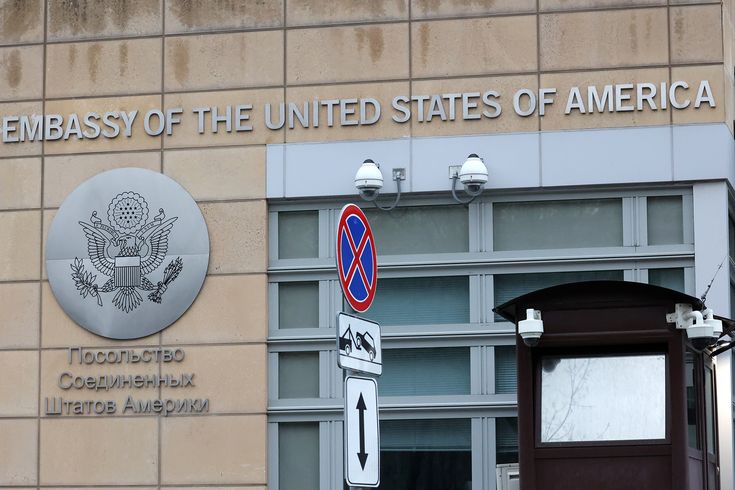
On March 4, 2026, the United States Embassy in Israel issued an urgent security alert warning American citizens that the U.S. government may not be able to evacuate them if the security situation in Israel deteriorates further amid rising regional tensions.
In the advisory released from the embassy’s headquarters in Jerusalem, U.S. officials stated that while contingency planning is ongoing, American citizens should not assume that evacuation assistance will be available in the event of widespread conflict, airspace closures, or infrastructure disruptions. The notice urged U.S. nationals to depart Israel using commercial flights while Ben Gurion International Airport remains operational and to make independent safety arrangements.
“The U.S. government may not be able to assist U.S. citizens in departing Israel if commercial options become unavailable,” the embassy stated in its March 4 alert. The warning was distributed through the Smart Traveler Enrollment Program (STEP), an online system managed by the United States Department of State that provides travel updates and emergency notifications to registered Americans abroad.
The advisory follows several days of heightened security incidents across Israel, including reported rocket launches from Gaza and increased drone activity near northern border communities adjacent to Lebanon. Between March 1 and March 3, 2026, air raid sirens were activated multiple times in cities including Tel Aviv, Ashkelon, and Jerusalem, prompting residents to seek shelter in reinforced safe rooms and public bunkers.
Israel’s Prime Minister Benjamin Netanyahu addressed the situation during a press briefing on March 3 in Jerusalem, stating that Israeli defense forces are “prepared for any escalation scenario” and will respond decisively to threats against civilian populations. The Israel Defense Forces confirmed that additional Iron Dome missile defense batteries were repositioned near high-risk zones in southern Israel as a precautionary measure.
U.S. embassy officials also announced temporary restrictions on travel for U.S. government personnel and their families. Staff members were instructed to avoid non-essential travel outside the greater Jerusalem and Tel Aviv areas, particularly near border regions. Americans residing in communities near the Gaza perimeter and along the northern frontier were advised to ensure they have immediate access to protective shelter and maintain emergency supply kits.
In Washington, State Department spokesperson Matthew Miller reiterated during a March 4 press conference that while the United States remains committed to the safety of its citizens, evacuation operations depend heavily on host-nation cooperation and secure transportation routes. “We strongly encourage U.S. citizens to evaluate their personal circumstances and consider departing through commercial means while those options remain viable,” Miller said.
Security experts note that large-scale evacuations from Israel would present complex logistical challenges. According to State Department estimates, approximately 600,000 U.S. citizens reside in Israel, including dual nationals. During previous escalations in October 2023, the United States organized limited charter flights and maritime departures when commercial carriers temporarily suspended operations. However, officials emphasized that such operations require airspace stability and access to safe departure corridors.
As of March 4, 2026, Ben Gurion International Airport near Tel Aviv remains open, though several international airlines have reduced flight frequencies due to security and insurance concerns. Travelers have reported heightened security screening procedures and longer wait times at departure terminals.
The embassy’s advisory also urged Americans to monitor local media, download emergency alert applications, and familiarize themselves with Israel’s Home Front Command guidance on shelter protocols. Citizens were reminded to keep passports valid and readily accessible, ensure that family members are aware of contingency plans, and maintain communication through reliable channels.
The latest warning underscores growing regional volatility, as diplomatic tensions and sporadic cross-border exchanges raise concerns about broader confrontation. Analysts say the embassy’s language reflects both the unpredictability of the security environment and Washington’s effort to proactively manage expectations regarding evacuation capabilities.
While no mandatory departure order has been issued as of March 4, U.S. officials have stressed that conditions can change rapidly. The embassy stated it will continue to provide updates as the situation evolves and encouraged all American citizens in Israel to remain vigilant, review emergency preparedness measures, and closely follow instructions from both U.S. and Israeli authorities.
The advisory concludes with a stark reminder: in times of escalating conflict, personal preparedness and timely decision-making may prove critical, as government assistance could be constrained by circumstances beyond diplomatic control.