


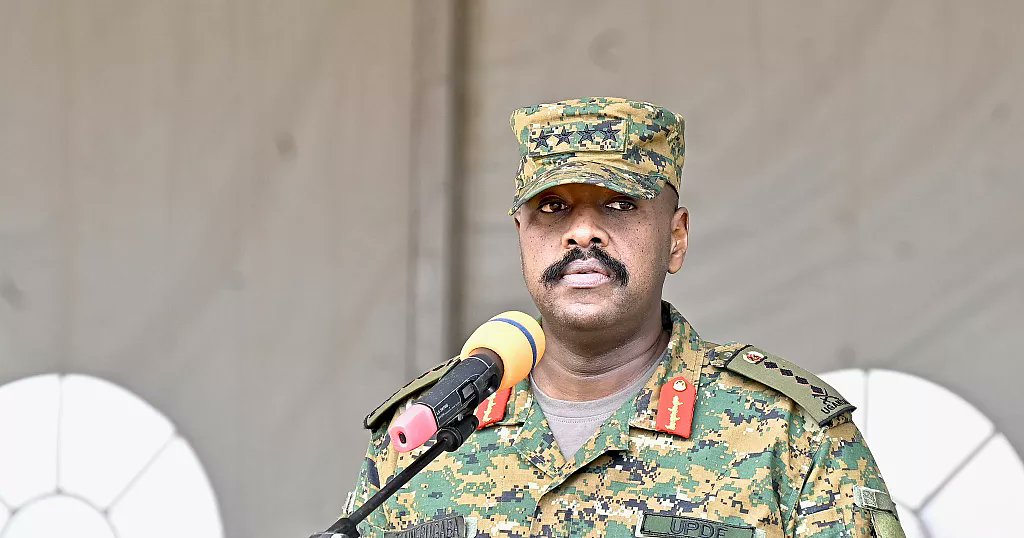
Political tensions in Uganda have sharply escalated in the aftermath of the 15 January 2026 presidential election, with General Muhoozi Kainerugaba the country’s military chief and son of re-elected President Yoweri Museveni issuing a series of highly inflammatory statements that have drawn widespread concern. Kainerugaba claimed on social media that 22 members of the opposition National Unity Platform (NUP) had been killed “since last week,” and in remarks reported from his X account, appeared to celebrate the toll while threatening further violence.
Kainerugaba also directed strong rhetoric toward opposition leader Robert Kyagulanyi Ssentamu, known as Bobi Wine, who finished second in the election and has publicly rejected the official results as illegitimate. In his messages, Kainerugaba gave Wine an ultimatum to surrender to authorities within 48 hours and warned that if he did not, he would be treated “as an outlaw or rebel.” The postings, some of which have since been deleted by the author, referenced the deaths of NUP members and reportedly included derogatory language toward Wine and his supporters.
Wine, a popular former musician turned politician, has accused security forces of intimidation, saying soldiers raided his home and placed restrictions on his movement. In statements posted from undisclosed locations since leaving his residence, he demanded that military personnel vacate his compound and condemned what he described as efforts to silence dissent. Opposition supporters and rights advocates have expressed alarm at the tone of the threats and the broader crackdown on political opposition amid disputed election results.
The 2026 election saw President Museveni declared the winner with more than 70 percent of the vote, extending his decades-long rule. The vote was marred by allegations of irregularities, an internet blackout, and heavy security presence during polling. International observers and local critics raised concerns about electoral fairness, while the opposition maintained that intimidation and repression undermined the credibility of the process.
The unfolding situation in Uganda reflects deep political fault lines and has drawn international attention, with calls for restraint and respect for democratic norms as tensions persist across the country


