


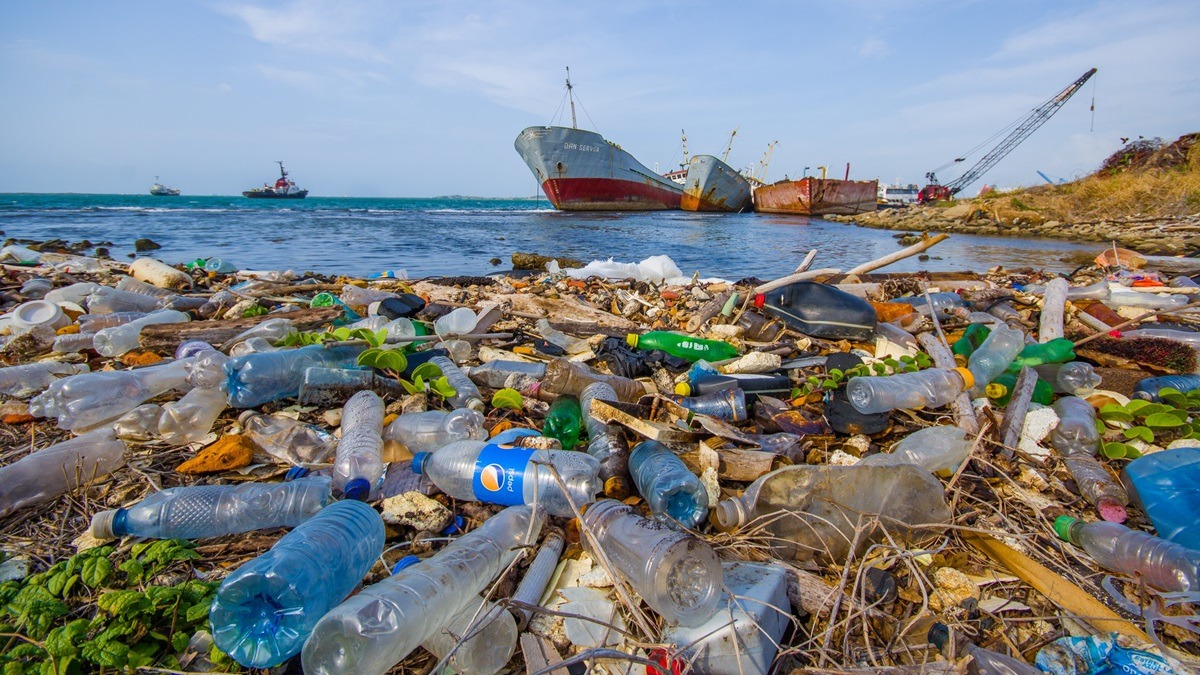
The United Nations has launched a major global initiative to combat ocean plastic pollution, uniting more than 150 supporting nations in a coordinated effort to address one of the world’s most urgent environmental crises. The announcement was made on Friday, 13 February 2026, at the UN Headquarters in New York City.
UN Secretary-General António Guterres emphasized that the initiative, titled the Global Ocean Plastic Treaty Initiative, aims to significantly reduce plastic waste entering oceans, improve global waste management systems, and promote the use of biodegradable and recyclable alternatives. He warned that unchecked plastic pollution threatens marine biodiversity, fisheries, and the livelihoods of coastal communities worldwide, from West Africa to Southeast Asia.
UN Environment Programme (UNEP) Executive Director Inger Andersen outlined the framework of the initiative, highlighting that over 150 countries—including the United States, China, the United Kingdom, Germany, Brazil, India, Nigeria, Kenya, and the Philippines—have committed to legally binding measures to reduce ocean plastic pollution by 2030. Andersen noted that these measures will involve stricter regulations on plastic production, investment in recycling infrastructure, and cross-border collaboration on research for sustainable materials.
Participating countries will implement standardized monitoring systems and extended producer responsibility (EPR) policies. Key geographic focus areas include the Pacific Ocean’s Great Garbage Patch, the Mediterranean Sea, the Gulf of Guinea off the coasts of Nigeria, Ghana, and Côte d’Ivoire, and the South China Sea. Coastal cleanup projects will also be launched in hotspot locations such as Lagos, Accra, Manila, and Jakarta.
Environmental organizations, including the Ocean Conservancy led by Kelly Ho, and the Plastic Pollution Coalition, represented by Dianna Cohen, welcomed the UN initiative as the largest coordinated global effort to date against marine plastic pollution. Analysts in Geneva and Nairobi highlighted that the initiative could also pressure multinational corporations, such as Nestlé, Unilever, and Coca-Cola, to adopt sustainable packaging and reduce single-use plastics.
The UN has scheduled the first formal review conference in Nairobi, Kenya, for 18 September 2026. At this meeting, member states are expected to report on progress, exchange best practices, and refine strategies for enforcement. Guterres stressed that success will depend on robust implementation, political will, and active engagement of local communities and the private sector.
By mobilizing more than 150 nations, the UN aims to create a unified global framework to preserve marine ecosystems, safeguard fisheries, and ensure cleaner oceans for future generations across Africa, Asia, Europe, and the Americas.