


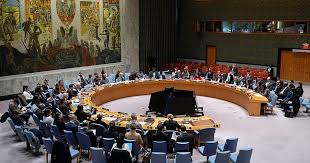
The United Nations Security Council (UNSC) has become sharply divided following Israel’s recent move to formally recognise Somaliland as an independent state — the first such recognition since the region’s 1991 bid for autonomy. An emergency council meeting on 30 December 2025 underscored deep diplomatic rifts over the issue.
A majority of council members condemned the recognition, arguing it violates Somalia’s territorial integrity and contravenes international law and the UN Charter. Algeria, Sierra Leone, Somalia and Guyana — the group known as A3+ — formally stated that Somaliland lacks the legal authority to enter diplomatic recognition arrangements, calling Israel’s decision a direct assault on Somalia’s sovereignty.
Somalia’s permanent representative insisted the move threatens regional stability and amounts to political interference, while several nations cautioned that it could have wider ramifications for peace and security in the Horn of Africa and Red Sea corridors.
The United States, while defending Israel’s right to conduct diplomatic relations — stressed that its own policy on Somaliland has not changed, and framed the recognition within a broader context of diplomatic practice, drawing controversial comparisons with recognitions of other disputed entities.
The council’s divisions reflect broader geopolitical fault lines, with most members urging respect for established state boundaries and a negotiated settlement to Somali‑Somaliland differences, even as some states caution against setting a precedent that could embolden unilateral recognitions elsewhere.