


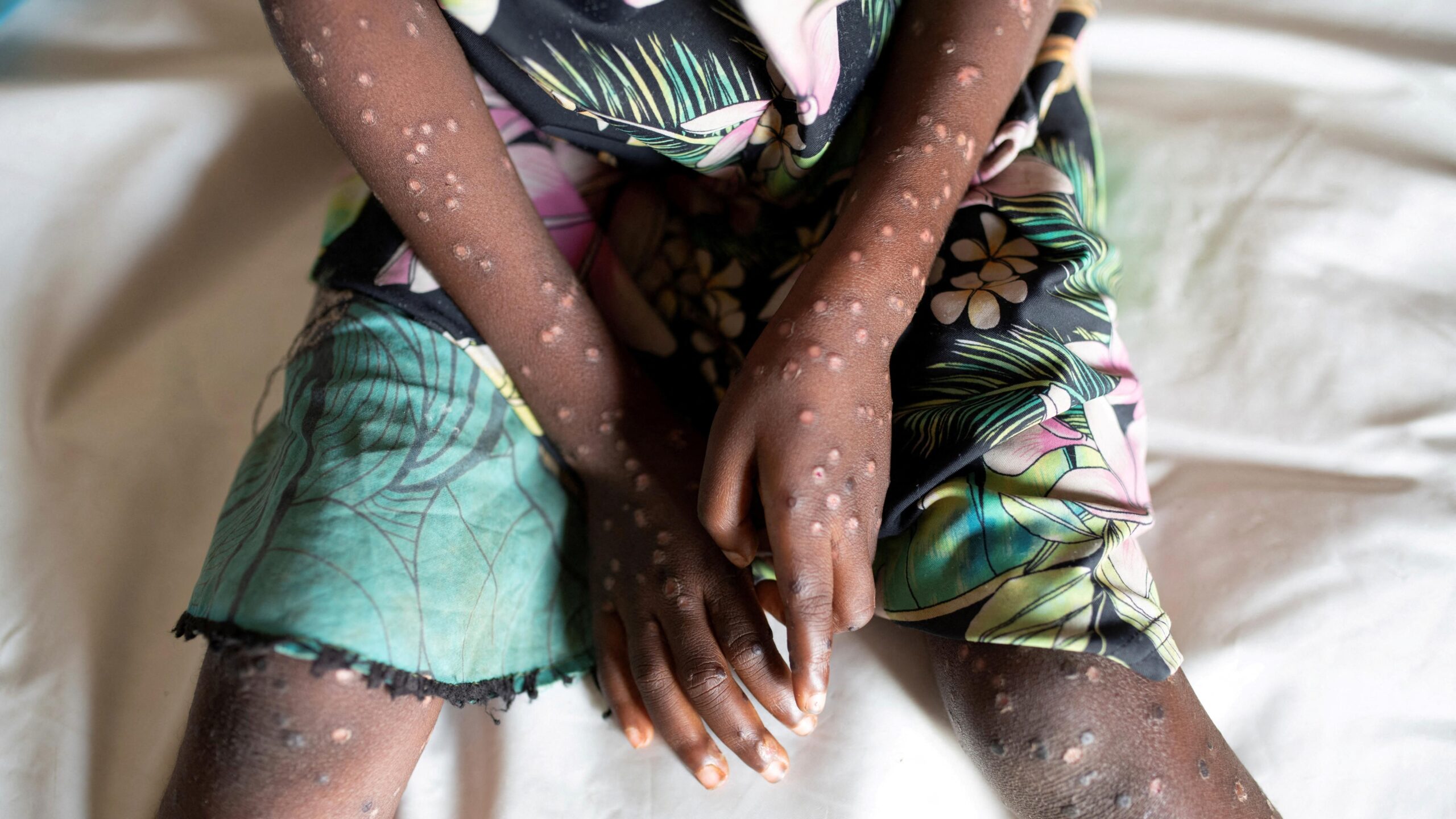
The World Health Organization (WHO) has declared the mpox outbreak in Central Africa contained, citing effective surveillance, vaccination campaigns, and coordinated public health responses across affected countries. The announcement was made on Thursday, 13 February 2026, from the WHO Regional Office for Africa in Brazzaville, Republic of Congo.
According to Dr. Matshidiso Moeti, WHO Regional Director for Africa, the declaration follows a sustained decline in new mpox cases across the Central African region, including the Democratic Republic of Congo (DRC), Cameroon, Gabon, and the Central African Republic. She commended national health authorities for implementing rapid contact tracing, community engagement, and targeted vaccination campaigns that successfully limited transmission.
In the Democratic Republic of Congo, the Ministry of Health reported that over 450,000 individuals in high-risk communities received mpox vaccinations between September 2025 and January 2026, contributing to a 92% reduction in reported cases compared to the previous year. Health Minister Jean-Jacques Mbadu highlighted the importance of public education campaigns and collaboration with local leaders in provinces such as Équateur, Tshuapa, and Mongala, which were previously hotspots.
Cameroon and Gabon also recorded significant decreases in mpox incidence, with mobile vaccination units reaching remote villages along the Congo Basin forest. The WHO praised cross-border coordination through the Central Africa Health Network (CAHN), which enabled rapid reporting, resource sharing, and containment strategies in border regions.
Dr. Moeti emphasized that the success underscores the importance of international collaboration and early intervention, noting that “coordinated vaccination efforts, supported by robust surveillance and community engagement, have proven decisive in halting the spread of mpox in Central Africa.” She encouraged continued monitoring to prevent potential flare-ups, especially in remote and hard-to-reach areas.
The WHO’s declaration has been welcomed by governments and public health experts in Kinshasa, Yaoundé, Libreville, and Bangui, who stressed that maintaining vaccination coverage and early case detection will remain essential to preventing future outbreaks. The success of the campaign is also being studied as a model for responding to emerging zoonotic diseases in the region.
With the outbreak now officially contained, health authorities are shifting focus to post-outbreak recovery, strengthening laboratory networks, and sustaining public awareness programs to maintain Central Africa’s preparedness for infectious disease threats.


