


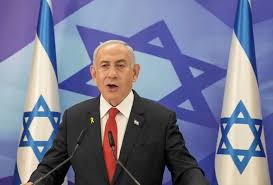
Israel has formally recognised the Republic of Somaliland as an independent and sovereign state, marking the first time a United Nations member country has granted official diplomatic recognition to the breakaway region in the Horn of Africa. Israeli Prime Minister Benjamin Netanyahu and Somaliland President Abdirahman Mohamed Abdullahi signed a mutual declaration of recognition on 26 December 2025, establishing full diplomatic relations that include plans for ambassadors and embassies.
Netanyahu described the move as “historic” and said it was “in the spirit of the Abraham Accords,” a series of diplomatic agreements aimed at promoting cooperation and peace across the Middle East and beyond. In response, Somaliland’s leadership expressed optimism about the economic and political opportunities that formal recognition could unlock, particularly in areas such as agriculture, technology, trade and regional stability.
Despite the celebratory tone from Jerusalem and Hargeisa, the decision has triggered strong international backlash. The Somali federal government condemned Israel’s action as an “unlawful attack on its sovereignty” and reaffirmed that Somaliland remains an integral part of Somalia’s internationally recognised territory. Other nations including Egypt, Turkey and Djibouti echoed these concerns, warning that unilateral recognition could set a dangerous precedent undermining the territorial integrity of sovereign states and destabilising the Horn of Africa. Regional bodies such as the African Union also reaffirmed their support for Somalia’s unity and rejected external recognition of Somaliland’s independence.
Somaliland has operated with de facto independence since 1991, maintaining its own government, currency and security structures, but has long sought formal international recognition. Israel’s move breaks three decades of diplomatic isolation and could catalyse further shifts in regional geopolitics, though it remains highly controversial within the international community.