


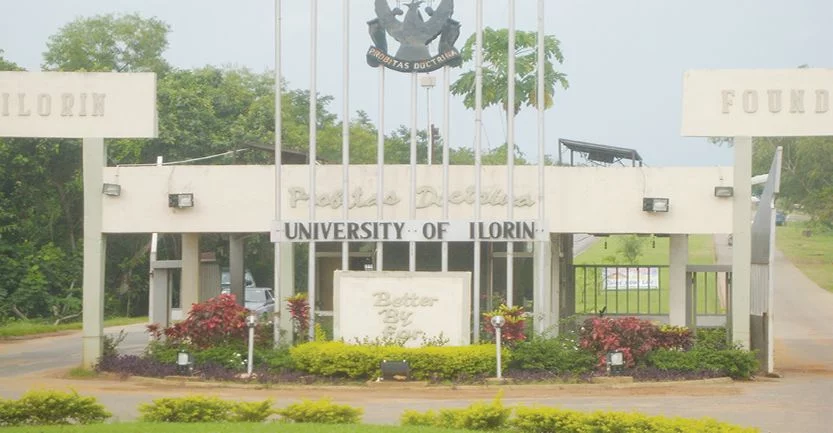
A lecturer at the University of Ilorin, Elijah Olorunsuwa, has alleged that police operatives arrested him at his home in Ilorin, Kwara State, over a WhatsApp post concerning the funding of a road project in Kogi State and pressured him to sign a retraction and apology before his release.
Olorunsuwa, who teaches in the Department of Political Science, said he was arrested on September 16 by about eight police officers and taken to Kogi State.
According to the lecturer, the officers arrived at his residence at about 5am. He said he requested an arrest warrant, but they allegedly failed to produce one. He initially offered to drive his vehicle and follow them to a police facility in Ilorin.
Olorunsuwa said the officers eventually agreed to take him to the Kwara State Police Command headquarters after finding no one available to attend to them at another police facility. He alleged, however, that they later changed direction and took him to Kogi State.
At the police station, he was shown a petition linked to Jerry Omodara, the Kogi State Government’s Special Adviser on Security.
The petition, dated September 11 and addressed to the state Commissioner of Police, accused Olorunsuwa of publishing false information about the government on social media. It concerned the Kabba-Oke-Offin-Olle-Iluke road project and challenged his claim that the World Bank was financing the work, with the state government providing counterpart funding.
Olorunsuwa said his comments followed a message in a community WhatsApp group stating that the Kogi State Government was reconstructing the road. He maintained that he had shared information about World Bank involvement and said Omodara asked him to delete the post, threatening legal action if he refused.
The lecturer said he deleted the comments after community elders appealed for calm. Omodara, however, maintained that Olorunsuwa failed to issue the requested retraction, prompting the government to petition the police.
Omodara disputed the claim about World Bank financing, insisting that the state government funded the project. He also denied asking the police to force the lecturer to retract his comments, saying he petitioned them because Olorunsuwa allegedly failed to substantiate his claim. Omodara further said the lecturer had been invited by the police before his arrest.
Olorunsuwa was released on the evening of his arrest and asked to return the following day.
The Kogi State Police Command subsequently denied that the lecturer was unlawfully detained or mistreated. It stated that he voluntarily wrote and signed a retraction and apology before his release.
Olorunsuwa, however, maintained that he signed the documents under duress because he feared for his safety and believed signing them was a condition of his release.
The competing accounts leave unresolved the circumstances of the arrest, the lecturer’s transfer from Kwara to Kogi State, and whether the retraction and apology were signed voluntarily.
The incident raises broader questions about how complaints concerning online publications are handled, the circumstances surrounding arrests across state boundaries, and the need for law enforcement authorities to explain allegations against individuals in their custody.
UNILORIN Lecturer Alleges Forced Retraction After Arrest Over Kogi Road Project Post


- Advertisment -