


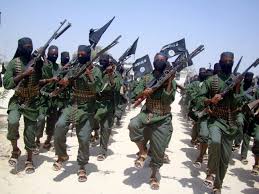
The United States Africa Command (AFRICOM) has confirmed carrying out a new round of precision strikes targeting ISIS-linked and al-Shabaab militants in Somalia between October 26 and 27, in coordination with the Somali National Army. The operations, according to U.S. defense officials, were aimed at disrupting the logistical and command networks of extremist groups operating in the country’s central and southern regions.
A statement from AFRICOM described the airstrikes as “measured and deliberate,” emphasizing that they were conducted in areas known to host militant training facilities and staging camps. The strikes reportedly neutralized several key targets affiliated with ISIS-Somalia and al-Shabaab, though the command has yet to disclose exact casualty figures pending assessment. U.S. military officials stressed that the operations align with the ongoing partnership between Washington and Mogadishu to strengthen Somalia’s counterterrorism capabilities.
“These actions are part of our continued support to the Somali government’s fight against terrorism,” AFRICOM said in its statement. “We remain committed to degrading al-Shabaab’s ability to threaten regional stability and to ensuring that ISIS elements cannot establish safe havens in East Africa.” The Somali Ministry of Defence also confirmed joint coordination and surveillance efforts leading up to the strikes, noting that several insurgent cells were identified and tracked before engagement.
Security analysts note that the renewed offensive underscores both opportunity and challenge. While the strikes can degrade militant leadership and limit the capacity for immediate attacks, they do not eliminate the root causes that allow extremist groups to regenerate. Experts argue that long-term stability in Somalia depends on sustained progress in governance, political reconciliation, and economic inclusion — all factors that limit extremist recruitment.
Human rights organizations have urged transparency in post-strike assessments, calling on AFRICOM to maintain open reporting on potential civilian harm. The command, in response, reiterated its policy of reviewing all credible allegations and publishing summaries of investigation outcomes. As Somalia continues its delicate transition toward full federal control, the latest strikes serve as a reminder that military pressure remains only one piece of the country’s broader security puzzle.


