


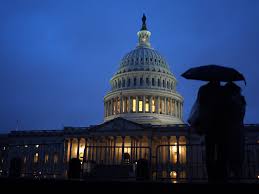
As the U.S. federal government shutdown enters its fourth week, the closure is extending beyond symbolic furloughs into critical data-gaps and employment disruptions, with far-reaching implications for markets, policy-making and federal workers.
The shutdown began on 1 October 2025 when Congress failed to pass appropriations bills for fiscal year 2026. Around 900,000 federal employees have been furloughed and an additional 2 million deemed “excepted” continue working without pay. The judiciary, for the first time in nearly 30 years, has been forced to begin furloughing employees as non-essential funds were exhausted.One of the most immediate consequences has been the suspension of key economic data releases — including jobs, inflation, manufacturing and trade figures — at a time when markets and policymakers are watching for signs of fiscal and growth stress. Analysts warn that without timely data, financial and monetary decisions may be impaired.Further intensifying the pressure, the administration has frozen $26 billion in federal funding to Democratic-led states, including transit and green-energy projects, a move described by critics as politically motivated. The combination of furloughs, public service disruptions and budgeting uncertainty is raising questions about how much longer the impasse can last. With the shutdown now threatening to bleed into November, economists estimate each additional week of closure could shave 0.1 to 0.2 percentage points off quarterly GDP growth. The stalemate not only disrupts federal workers and services, but also casts a shadow over global markets that depend on U.S. economic transparency and data flow.


