


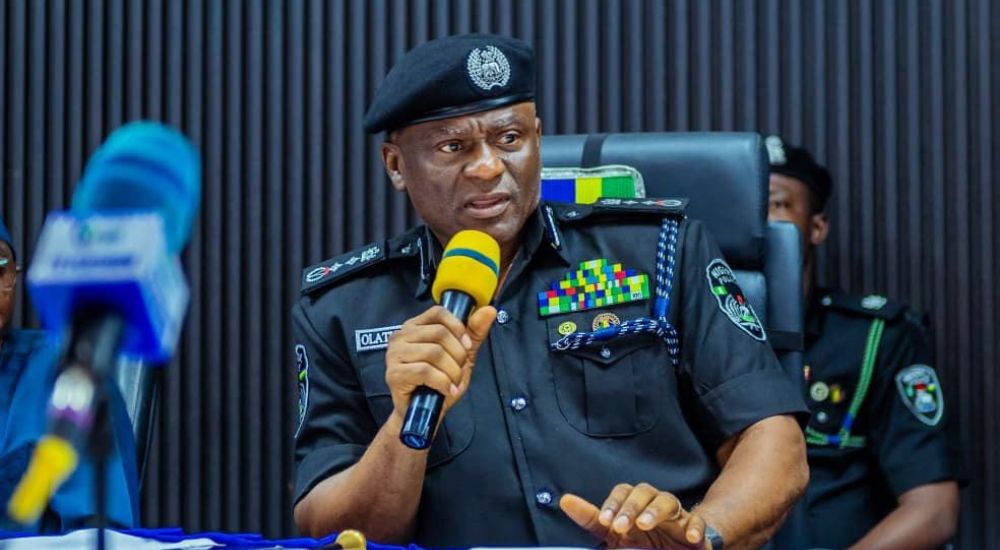
 IGP Olatunji Disu.
In early 2026, Olatunji Rilwan Disu emerged as Nigeria’s 23rd substantive Inspector-General of Police following a swift constitutional transition. After the resignation of Kayode Egbetokun, President Bola Ahmed Tinubu appointed Disu as Acting IGP on February 24. His appointment was unanimously confirmed by the Nigeria Police Council on March 2, and he was formally sworn in on March 4 at the Presidential Villa, Abuja.
A seasoned officer with an extensive operational background, Disu previously served as Commander of the Lagos State Rapid Response Squad (RRS), head of the Intelligence Response Team (IRT), Commissioner of Police for the Federal Capital Territory, and Assistant Inspector-General in charge of Force CID, Lagos. His career has been marked by expertise in urban policing, intelligence-led operations, and criminal investigations.
His leadership approach has come into sharp focus following the handling of the Effurun incident involving the alleged extrajudicial killing of Mene Ogidi on April 26, 2026. The response has been widely regarded as a turning point in institutional accountability within the Nigeria Police Force.
Demonstrating a zero-tolerance stance on misconduct, the IGP ordered the immediate transfer of the officers involved including ASP Nuhu Usman, from the Delta State Command to Force Headquarters in Abuja within 48 hours. The move was aimed at ensuring neutrality and preventing local interference in the investigation.
In a departure from past practices often criticised for delays, disciplinary procedures were expedited. Within 72 hours, the officers were subjected to Orderly Room Trials, leading to their dismissal and recommendation for prosecution on charges of murder by April 29, 2026. This rapid action signaled a decisive shift toward accountability and transparency.
Observers note that this prompt response served as a strong deterrent, contrasting sharply with previous cases where prolonged investigations fueled public distrust. By taking direct oversight, the IGP reinforced a unified national standard, emphasizing that institutional integrity would not be compromised by internal loyalties.
Central to this approach was clear and direct communication. The IGP publicly affirmed that “no uniform is a license to kill,” underscoring that acts of brutality are individual misconduct rather than institutional policy. This position, coupled with transparent updates on the investigation, contributed to rebuilding public confidence.
The handling of the case also appeared to defuse potential unrest. Unlike past incidents that triggered widespread protests, the swift delivery of disciplinary action reduced public frustration often associated with delayed justice. Analysts attribute this outcome to proactive accountability, which addressed grievances before they escalated.
Additionally, relocating the case to Abuja helped ease tensions in the affected communities by removing both the suspects and the decision-making process from the immediate environment. This strategic move minimized the risk of retaliatory actions against local police formations.
The IGP’s response has been widely interpreted as a shift from a culture of impunity to one of consequences within the Nigeria Police Force. By prioritizing justice, transparency, and institutional responsibility, Olatunji Rilwan Disu has set a new standard for policing one that places accountability at the core of public service and reinforces trust between the police and the citizens they serve.

