


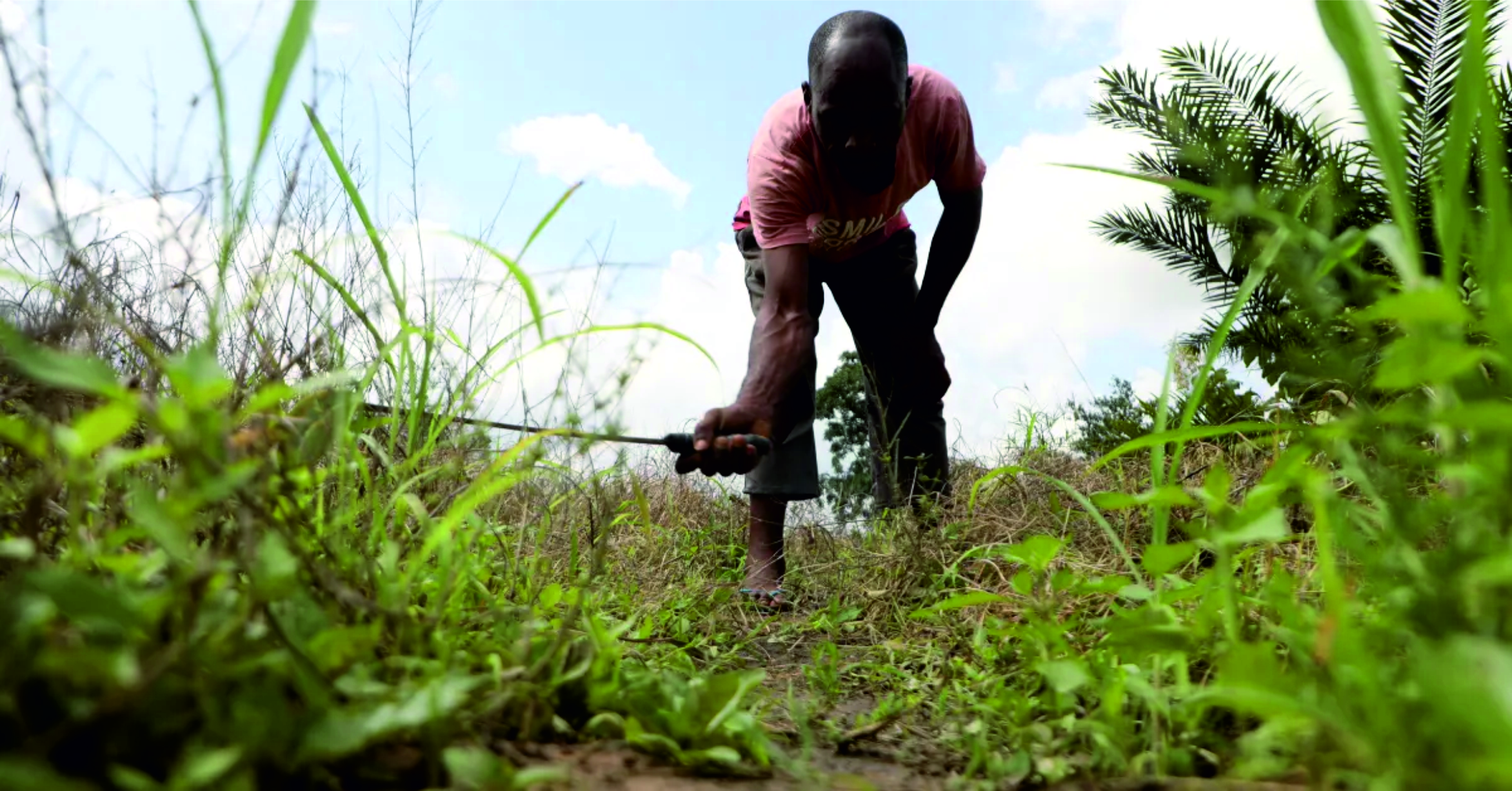
Farmers in parts of northern Nigeria have raised the alarm over persistent “bandit levies” compulsory payments imposed by criminal groups on agricultural producers warning that the practice is compounding insecurity and could aggravate Nigeria’s already fragile food supply situation. Communities in Kano, Katsina and surrounding states say they have been forced to pay levies of N50,000 or more per farmer simply to access farmland or harvest crops, effectively functioning as a shadow tax that erodes profitability and discourages production.
Agricultural experts and community leaders say the levies are part of a broader pattern of extortion that includes ransom demands, kidnappings and violence, which has driven many farmers away from the land and disrupted planting and harvesting cycles in key food-producing regions. Analysts warn that reduced cultivation paired with soaring costs of inputs such as fertiliser and diesel could lead to shortages of staple crops and heightened food prices nationwide if urgent action is not taken.
This development comes against a backdrop of long-standing insecurity in the northwest and central states, where farmers have also reported paying millions of naira in levies over several years and faced additional threats such as abduction and theft of produce. Research on insecurity trends indicates that such levies add to the financial burdens on rural producers, contributing to inflationary pressures and raising fears of worsening food availability in areas already affected by conflict-induced displacement and disrupted markets.
Farmers and advocacy groups are urging the federal and state governments to strengthen security protections for rural areas, expand rural development support, and intervene to break the grip of criminal networks on agricultural value chains before the situation further undermines Nigeria’s food security.