


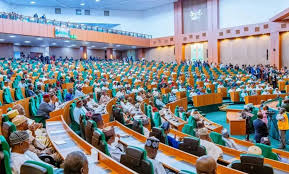
The National Assembly has approved the repeal and re-enactment of the 2024 and 2025 Appropriation Acts, a major fiscal reform aimed at resetting Nigeria’s budget calendar and closing perennial implementation gaps that have plagued public finance management. The decision was taken during a joint session of the Senate and House of Representatives, as lawmakers sought a practical solution to recurring delays in budget passage and execution.
Under the resolution, both the 2024 and 2025 budgets will be withdrawn, amended where necessary, and re-passed as a consolidated appropriation law covering the period up to 31 December 2025. This approach is intended to align budget cycles with the January–December fiscal year, eliminating the overlapping and carryover of appropriations that have undermined planning, accountability and expenditure control.
Lawmakers explained that chronic delays in budget passage often extending well into the year being appropriated have forced agencies to operate on incomplete or expired resources, leading to stalled projects, fragmented planning and difficulties in matching revenues to spending obligations. By repealing and re-enacting the two Acts together, the National Assembly aims to clear the backlog, unify implementation timelines, and strengthen fiscal discipline.
The strategy will also allow for comprehensive review of expenditure priorities, revenue projections and adjustment of cost estimates across MDAs (ministries, departments and agencies), as well as better integration with the 2026 budget process already underway. Lawmakers said they expect the re-enacted consolidated law to serve as both a bridge and a foundation for smoother budget cycles in subsequent years.
Government officials welcomed the National Assembly’s move, describing it as a practical fix to systemic budgeting challenges that have long delayed capital projects and disrupted financial planning. Stakeholders in economic and fiscal policy have also backed the initiative, saying that aligning Nigeria’s budget calendar with the international norm will improve revenue forecasting, external financing planning, and investor confidence.
With the National Assembly’s approval, the two Acts will now return to the Executive for assent, after which Ministries, Departments and Agencies will begin the process of implementation under the revised legal framework