


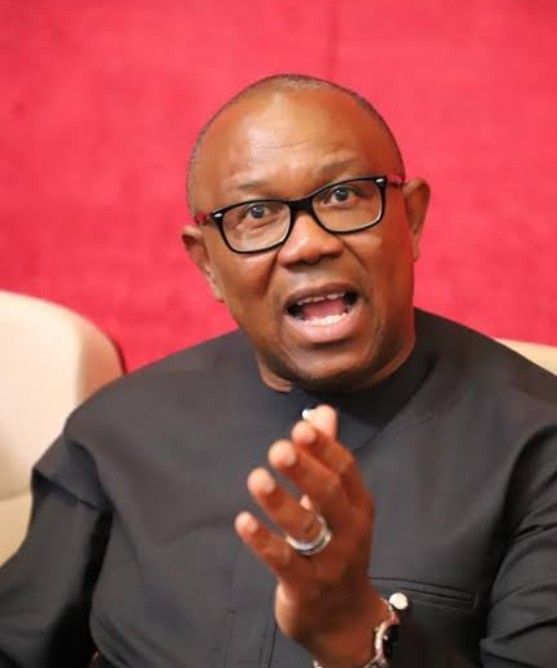
Former Anambra State governor and Labour Party presidential candidate Peter Obi has issued a stark critique of Nigeria’s leadership amid new data showing staggering youth unemployment, warning that the crisis reflects a broader failure of governance and policy direction. According to a recent report by ActionAid and Plan International, about 80 percent of Nigerian youths more than 80 million individuals are unemployed, a figure Obi says should be treated as a national emergency, not a mere statistic.
Obi, speaking on his verified social media platform, framed the youth joblessness as a leadership indictment, arguing that successive governments have failed to invest meaningfully in young Nigerians’ potential and economic empowerment. Citing Nigeria’s disproportionately large youth population roughly 75 percent of citizens are under the age of 35 he said the absence of sustainable employment opportunities is not due to lack of talent or creativity among young people, but rather persistent poor policy choices and economic mismanagement.
In drawing comparisons with other African countries grappling with high youth unemployment, Obi highlighted that Nigeria’s sheer numbers far exceed those elsewhere: for example, South Africa’s youth unemployment rate, though high, equates to millions fewer jobless young people due to population size. This contrast, he said, exposes leadership negligence rather than demographic inevitability.
Obi faulted current and past administrations for wasteful spending, corruption, unproductive borrowing, and inadequate support for micro, small and medium enterprises (MSMEs) sectors that could otherwise drive job creation and economic growth. He urged urgent investment in production, entrepreneurship and youth-focused policies that can translate Nigeria’s demographic dividend into real economic opportunity.
Calling on young Nigerians to become more politically engaged, Obi argued that electing leaders who prioritise employment, transparency and people-centred governance is crucial to transforming the nation’s economic landscape. He said that intentional leadership can unlock opportunities and empower youth to be the engine of productivity and sustainable growth.