


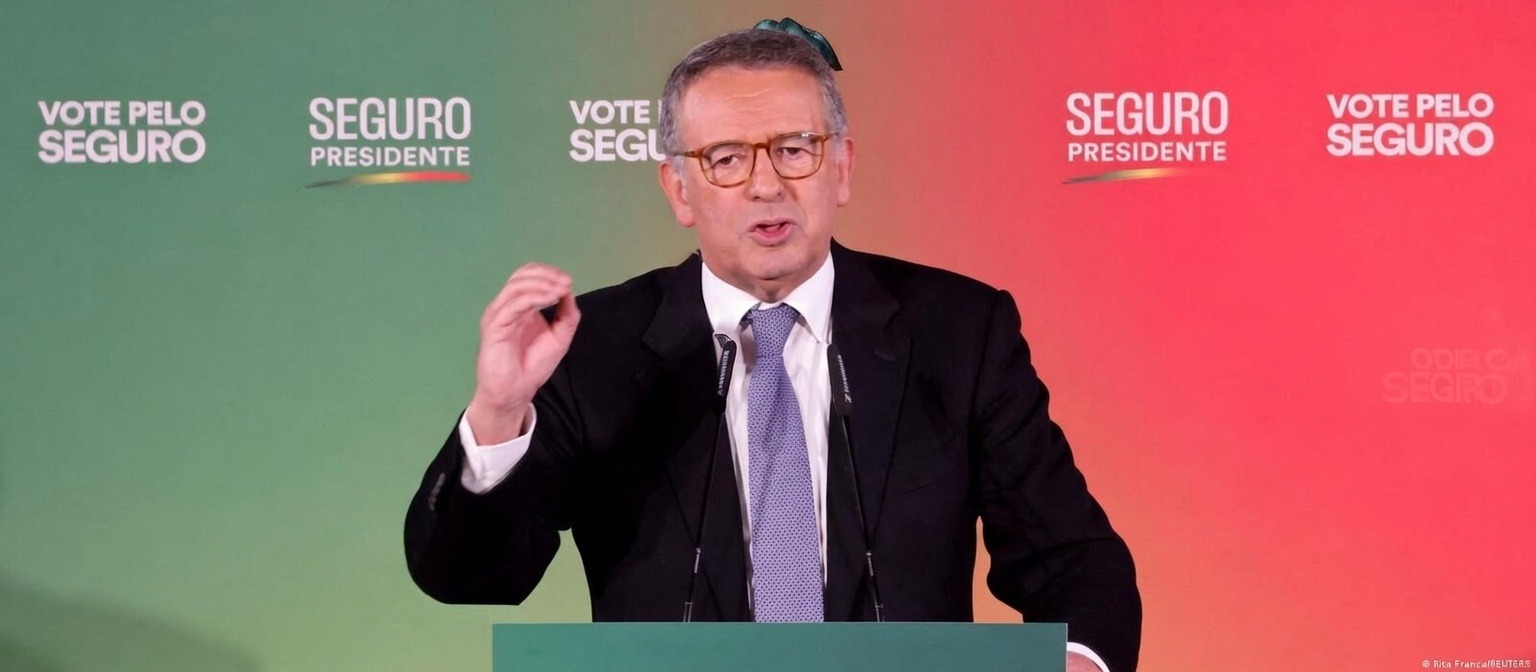
António José Seguro, the centre‑left candidate of the Socialist Party, has secured a decisive victory in Portugal’s presidential runoff election, winning approximately 66.7 % of the vote against far‑right challenger André Ventura on 8 February 2026. Official results, published early on 9 February 2026, confirm Seguro as the first Socialist president in two decades, ending a 20‑year period of conservative presidencies and marking a significant moment in the country’s political history.
With over 99 % of ballots counted, the 63‑year-old Seguro received 3,477,717 votes, while Ventura, 43, leader of the far‑right Chega party, garnered 33.2 %. Ventura conceded defeat in Lisbon but vowed to continue advocating for his party’s platform, which emphasizes stricter immigration controls, populist economic measures, and skepticism of EU influence. The runoff followed a first round held on 18 January 2026, in which Seguro led with 31.1 % of votes while Ventura trailed with 23.5 %, forcing a second round — only the second presidential run‑off in Portugal in 40 years.
Seguro’s campaign focused on promoting social cohesion, strengthening democratic institutions, and enhancing Portugal’s engagement within the European Union. In a victory speech delivered at Lisbon’s Praça do Comércio, Seguro thanked voters from across the political spectrum and pledged to work with all parties, including the centre‑right government led by Prime Minister Luís Montenegro. He emphasized national unity and vowed to use the largely ceremonial presidency to foster collaboration on pressing issues such as healthcare, housing, education, and employment.
The Portuguese presidency, while largely ceremonial, carries constitutional powers that include vetoing legislation, dissolving parliament, and calling early elections under certain conditions. Seguro will officially succeed outgoing President Marcelo Rebelo de Sousa, whose two consecutive terms concluded this month. Analysts note that Seguro’s election is likely to reinforce the Socialist Party’s influence while maintaining a balance with the centre‑right parliamentary majority.
The election occurred amid severe winter storms and flooding in southern and central Portugal, which displaced tens of thousands of residents and temporarily disrupted voting in some municipalities. Despite these challenges, voter turnout remained robust, with strong participation in urban centres such as Lisbon, Porto, Braga, and Coimbra. Early reports indicate that Seguro won convincingly in Lisbon and Porto, as well as in several northern districts traditionally considered swing regions, while Ventura performed relatively well in certain rural areas in the Alentejo and Beira Interior regions. In the autonomous regions, Seguro carried the Azores with 68 % and Madeira with 62 %, demonstrating broad national support.
Political analysts say the result underscores the continued rejection of far‑right politics in Portugal, even as populist movements have gained traction in other parts of Europe. Ventura’s stronger-than-expected showing, however, highlights a growing constituency frustrated with traditional party politics and concerned about immigration, security, and economic inequality. The Chega party’s rise in the Assembly of the Republic in last year’s general election reflects this trend, although Ventura’s loss signals limits to its appeal on the national stage.
International reaction to Seguro’s victory was positive. European Commission President Ursula von der Leyen congratulated him, calling the election “a reaffirmation of democratic values and Portugal’s active role within the European Union.” Leaders from Spain, France, Germany, and Italy also welcomed the outcome, emphasizing continuity, stability, and progressive cooperation in European policymaking.
Seguro’s presidency officially begins on 9 March 2026. Observers expect him to prioritize bridging political divides, promoting social equity, and reinforcing Portugal’s European and international commitments. His leadership is anticipated to focus on key domestic challenges, including addressing economic modernization, improving public services, advancing environmental policy, and tackling demographic pressures such as an aging population. Analysts predict that while the far right will remain a vocal presence, Seguro’s mandate gives him a platform to strengthen democratic norms, promote dialogue across political lines, and safeguard Portugal’s status as a moderate, progressive EU member state.