


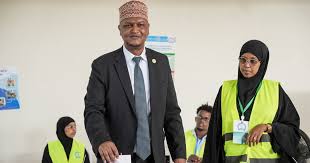
Residents of Somalia’s capital have cast ballots in a landmark one-person, one-vote local election, marking the first direct vote of its kind in over five decades and representing a major shift away from the country’s traditional clan-based power-sharing system. The election took place on 25 December 2025 and was organised by the National Independent Electoral and Boundaries Commission across Mogadishu’s 16 districts, with around 20 political parties fielding candidates and more than 900,000 registered voters eligible to participate.
Somalia has long selected local councils and national legislators through negotiated clan arrangements, with leaders subsequently electing the president. The introduction of universal suffrage at the local level is viewed by analysts as the most tangible step yet toward broader democratic reforms and could set the stage for direct elections at the federal level, including parliamentary and presidential polls planned for 2026.
However, the electoral process was controversial. Opposition parties rejected the vote as flawed and one-sided, expressing concern that it was organised without widespread consensus among federal member states. The election did not include a vote for the mayor of Mogadishu, who also serves as governor of the Banadir region, because the city’s constitutional status remains unsettled amid political dispute.
Security was tightly enforced on voting day, with heightened deployments and precautionary measures to deter attacks by the Islamist militant group al-Shabab, which continues to pose a significant threat despite setbacks. The vote proceeded largely without major incident and reflects Somalia’s gradual movement toward direct public participation in governance after decades of conflict and indirect political systems.


