


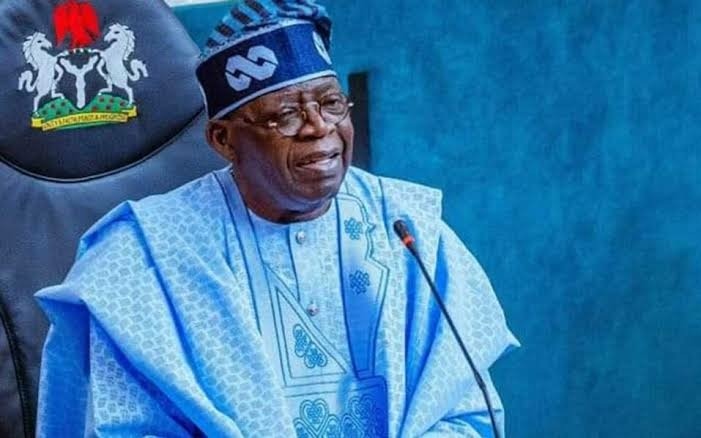
Bola Ahmed Tinubu has called for deeper collaboration between Nigeria and the Organisation for Economic Co-operation and Development to strengthen the country’s ongoing economic reforms, improve investor confidence, and accelerate sustainable growth.
The discussions took place during a high-level meeting on the sidelines of the Africa CEO Forum 2026 in Kigali, Rwanda, where President Tinubu met with OECD Deputy Secretary-General, Frantisek Ruzicka.
According to a statement issued by presidential spokesman Bayo Onanuga, both parties explored opportunities for strategic cooperation in critical sectors including public finance reforms, trade competitiveness, agriculture, pharmaceuticals, investment promotion, solid minerals, and the development of micro, small and medium enterprises, MSMEs.
The OECD pledged support for Nigeria through the provision of economic and investment data, policy advisory services, and technical frameworks aimed at strengthening transparency, improving policy implementation, and enhancing investor perception of Nigeria and the broader African market.
Speaking during the meeting, Ruzicka praised the Tinubu administration’s economic reform programme, describing it as bold, ambitious, and necessary for long-term economic stability.
He said the OECD recognised Nigeria’s efforts to improve public finances and create a more transparent economic environment, adding that the organisation was prepared to partner with the country in implementing reforms capable of attracting sustainable foreign investment.
President Tinubu used the meeting to defend some of his administration’s most controversial economic policies, particularly the removal of fuel subsidies and the unification of Nigeria’s foreign exchange system.
According to the President, the reforms were difficult but unavoidable decisions aimed at correcting long-standing structural distortions in the economy.
Tinubu noted that subsidy payments had become unsustainable and largely benefited a privileged few at the expense of national development, while the multiple exchange-rate regime created uncertainty, weakened investor confidence, and encouraged market inefficiencies.
He stressed that his administration remains focused on restoring fiscal discipline, promoting transparency, and building a stronger economy capable of supporting long-term development.
The President also called on African leaders to work collectively toward changing global perceptions about the continent’s investment climate.
He argued that Africa must project itself as a disciplined, accountable, and investment-ready destination capable of managing projects efficiently and sustaining policy consistency.
Tinubu further emphasised the need for African countries to move away from overdependence on raw material exports and instead prioritise industrialisation and value-chain development.
He identified sectors such as agriculture, pharmaceuticals, and solid minerals as critical areas where Africa could create jobs, increase exports, and strengthen local manufacturing capacity.
The discussions also focused on opportunities presented by the African Continental Free Trade Area, particularly in expanding regional trade integration, supporting small businesses, and enabling African companies to participate more competitively in global value chains.
Economic analysts say the engagement with the OECD signals Nigeria’s intention to deepen international partnerships as it seeks to stabilise the economy, attract investment, and rebuild confidence among local and foreign investors.
They note that collaboration with global institutions could also support Nigeria’s efforts to improve tax collection, strengthen governance systems, and implement reforms needed to drive economic diversification and sustainable growth.
President Tinubu reiterated that market confidence, transparency, and policy stability would remain central pillars of his administration’s economic agenda as Nigeria continues to pursue reforms aimed at repositioning the country for long-term prosperity.