


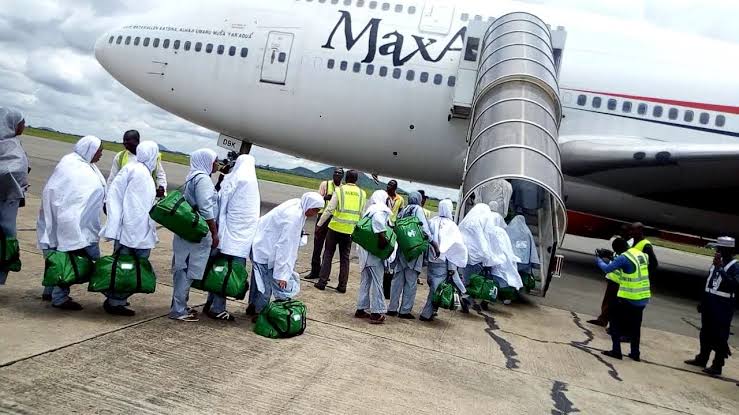
The National Hajj Commission of Nigeria (NAHCON) has revealed that more than 15,000 Nigerian pilgrims required medical attention during the 2026 Hajj exercise in Saudi Arabia, raising renewed concerns about health challenges faced by pilgrims during the annual religious journey.
The disclosure was made during a post-Arafat stakeholders’ meeting in Makkah, where officials reviewed the health and welfare conditions of Nigerian pilgrims after the completion of key Hajj rites. According to the Head of the Nigerian Medical Mission, Dr. Ibrahim Abubakar, a total of 15,083 pilgrims accessed medical services across Madinah, Makkah and the holy sites, representing nearly one-third of Nigeria’s total pilgrims’ population.
He noted that 8,303 cases were recorded during the intense Mashair period alone, while thousands more were treated for various conditions ranging from dehydration and heat stress to chronic and life-threatening illnesses. These include heart-related complications, stroke, fractures, anaemia, migraine, diabetes-related complications and pancreatitis.
Dr. Abubakar also confirmed that 15 pilgrims were referred to specialist hospitals in Makkah for advanced treatment, while many others were managed successfully through on-site clinics operated by Nigerian medical teams. He expressed concern that a significant proportion of health emergencies were linked to extreme stress and fatigue experienced by pilgrims.
According to him, between 70 and 80 per cent of recorded deaths during the exercise were associated with heart-related conditions worsened by stress, while about 50 pilgrims were treated for mental health-related issues triggered by physical exhaustion and emotional pressure.
He urged pilgrims to prioritise rest, hydration and strict adherence to medical guidance, while calling on Islamic scholars accompanying pilgrims to intensify health awareness campaigns during future exercises. He also highlighted gaps in emergency preparedness, noting that only Lagos and Kogi State pilgrims’ boards currently operate dedicated ambulance services for emergencies during Hajj.
NAHCON Chairman, Professor Abdullahi Saleh Usman, commended medical personnel and stakeholders for their efforts, but admitted that significant improvements are still needed in Nigeria’s Hajj management system. He said the experience of the 2026 pilgrimage would guide future reforms aimed at improving healthcare delivery, logistics and overall pilgrims’ welfare.


