


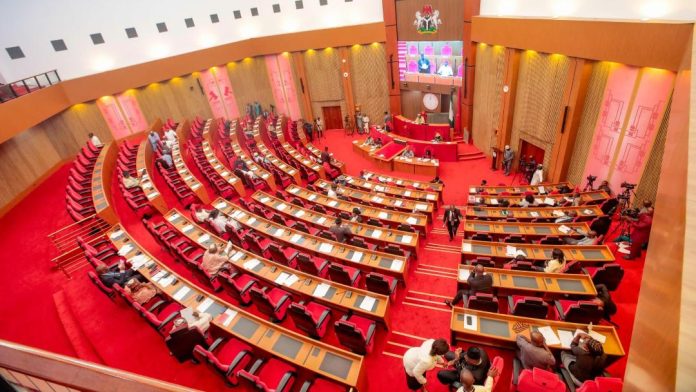
The Nigerian Senate has passed for third reading a bill seeking the establishment of the National Agency for Malaria Elimination, a proposed institution designed to coordinate and strengthen the country’s long-term fight against one of its most persistent public health challenges.
The bill, sponsored by Senator Ned Nwoko representing Delta North, aims to reposition Nigeria’s malaria response from routine treatment to a more structured prevention and eradication strategy. Lawmakers say the initiative is intended to unify national efforts, improve coordination, and ultimately reduce the country’s high malaria burden.
The passage followed the consideration and adoption of a report by the Senate Committee on Health (Secondary and Tertiary), chaired by Senator Ipalibo Harry Banigo. The committee recommended the creation of a dedicated agency that would oversee malaria prevention, control, research, and eventual elimination across the country.
According to the report, the proposed agency would operate through a nationwide structure, including zonal and state offices, to ensure effective implementation of malaria control programmes at all levels. It emphasized that the agency would be guided by a strategic framework anchored on legislation, scientific research, and accountability mechanisms.
During debate, lawmakers noted that malaria remains one of Nigeria’s most widespread diseases, contributing significantly to hospital visits, lost productivity, and preventable deaths, particularly among children and pregnant women. They argued that a more coordinated institutional approach is needed to achieve long-term progress.
Senator Ned Nwoko expressed confidence that with sustained political will and proper implementation, Nigeria could become the first malaria-free country in Africa, describing the bill as a major step toward that goal.
Senate President Godswill Akpabio, in his remarks after the passage, described the legislation as a landmark move in Nigeria’s public health response, stressing that malaria remains the most common illness in the country and requires urgent, structured intervention.
The bill now awaits concurrence and further legislative processes before it can become law.