


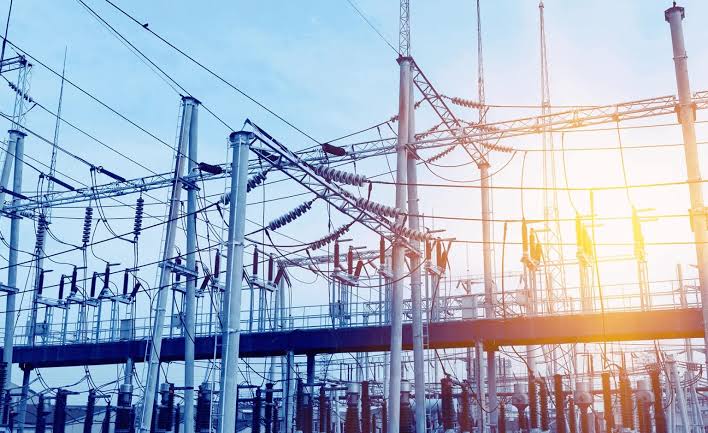
The Nigerian Academy of Engineering (NAEng) has called on the Federal Government to accelerate the implementation of the Presidential Power Initiative (PPI) and upgrade the national electricity grid to achieve a supply capacity of 25,000 megawatts, saying the move is critical to overcoming Nigeria’s longstanding power crisis and stimulating economic growth.
Speaking at a press conference in Lagos ahead of the Academy’s 2026 Apex Events, President of the Nigerian Academy of Engineering, Prof. Rahamon Bello, stressed that the country’s electricity sector requires urgent and comprehensive reforms involving financial restructuring, infrastructure modernisation and greater investment in renewable energy sources.
According to Bello, the Academy recently undertook a review of the persistent mismatch between electricity demand and supply in Nigeria and developed a policy framework designed to address the challenges undermining the sector’s performance. He noted that the industry’s recurring liquidity problems have continued to hamper investments and affect the stability of power generation and distribution.
He commended the Federal Government for introducing reforms aimed at repositioning the power sector and expressed the Academy’s readiness to provide technical support for the Presidential Power Sector Financial Reforms Programme.
Bello said one of the immediate steps required to improve electricity supply is the issuance of specialised bonds to clear outstanding debts owed to gas suppliers. He explained that settling these obligations would encourage increased gas supply to power generation companies and help stabilise electricity production across the country.
According to him, resolving the financial bottlenecks affecting gas suppliers is essential to ensuring uninterrupted power supply to households, businesses and industries, thereby enhancing productivity and reducing dependence on costly alternative energy sources.
The NAEng president also urged the Federal Government to speed up the implementation of the Presidential Power Initiative, a programme aimed at modernising Nigeria’s electricity infrastructure and increasing transmission capacity. He described the initiative as a crucial component of efforts to raise the national grid’s supply capacity to 25,000 megawatts and improve electricity distribution nationwide.
Beyond conventional power generation, Bello advocated a diversified energy mix driven by renewable sources such as solar, hydro and other environmentally friendly technologies. He said expanding investments in green energy would not only improve energy security but also support sustainable development and reduce carbon emissions.
He emphasized that achieving a stable and reliable power supply is fundamental to industrialisation, economic competitiveness and job creation, adding that adequate electricity remains one of the most critical requirements for national development.
Meanwhile, Bello announced that the Nigerian Academy of Engineering’s 2026 Apex Events will feature activities aimed at promoting innovation, technological advancement and professional excellence. The programme includes the Academy’s Annual General Meeting, where members will review the institution’s activities over the past year and elect new Fellows.
The event will also host the third Annual National Innovation Competition Exhibition, providing a platform for young innovators, researchers and engineering entrepreneurs to showcase cutting-edge technologies and inventions to investors and industry leaders.
The activities will culminate in the Academy’s Technology Dinner and Awards Night, where outstanding innovators, partners and sponsors will be honoured for their contributions to the advancement of engineering and technological development in Nigeria.
The Academy maintained that with the right policies, financial reforms and sustained investment in both traditional and renewable energy infrastructure, Nigeria can significantly improve electricity generation and move closer to meeting the growing energy demands of its population and economy.