


The Nigerian Senate has moved to stop the rehabilitation and possible reintegration of suspected Boko Haram members, insurgents, kidnappers, and other violent criminals, warning that such programmes could be contributing to the country’s worsening security crisis.
The decision followed a motion raised by Senator Abdulazeez Yar’Adua over the abduction and killing of retired Major General Rabe Abubakar, a former Director of Defence Information, alongside other military officers.
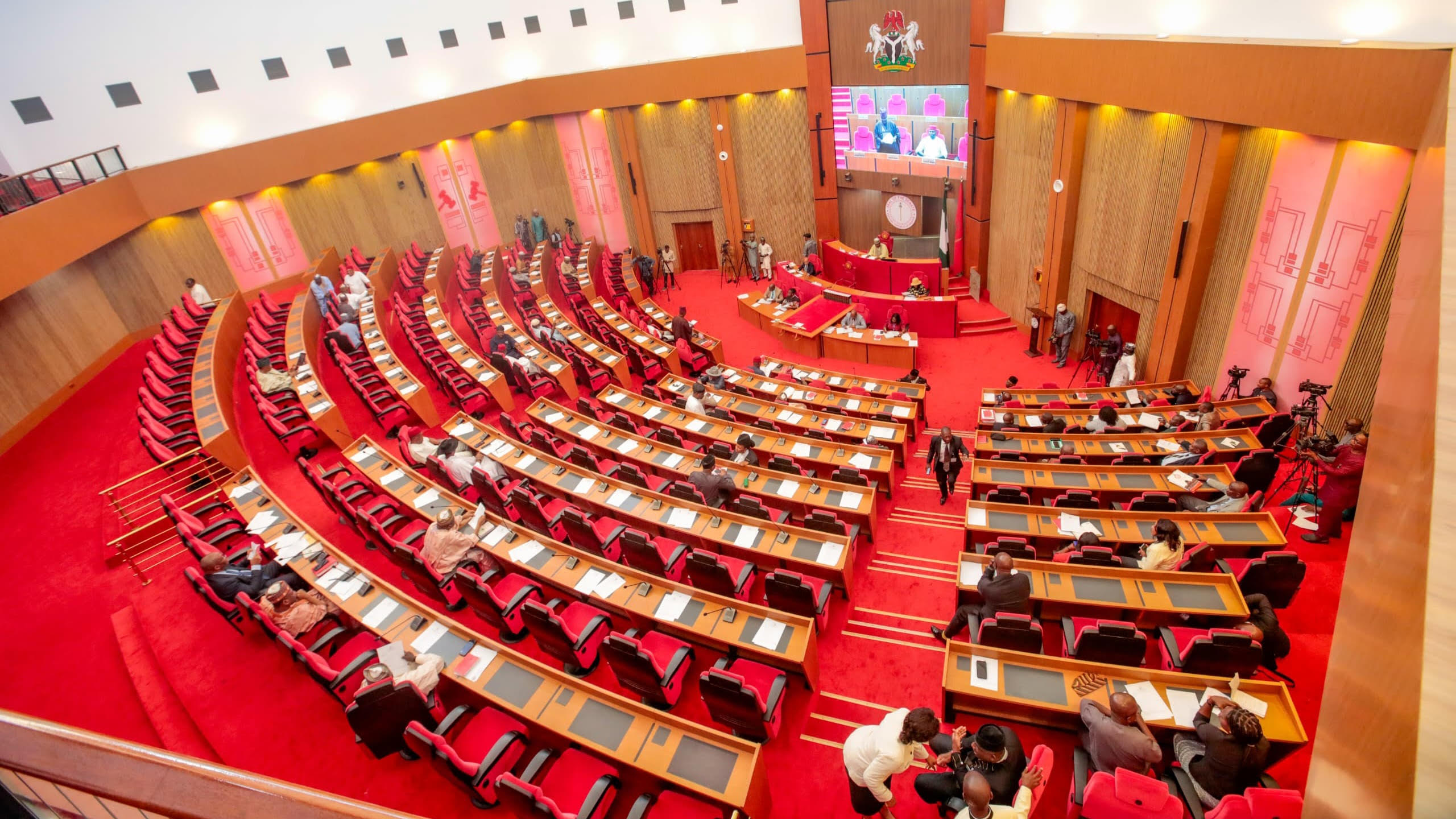
During Tuesday’s plenary, presided over by Deputy Senate President Jibrin Barau, lawmakers expressed strong opposition to the rehabilitation of individuals linked to terrorism and serious crimes under deradicalisation programmes run by some state governments.
Several senators argued that repeatedly releasing “repentant” criminals back into communities may be fueling insecurity, especially in northern Nigeria, where insurgency, banditry, and kidnapping remain major challenges.
The Senate described the killing of retired Major General Abubakar as a national tragedy and a disturbing indication that criminal and terrorist groups are becoming more confident in targeting individuals with military backgrounds.
In its resolution, the Senate warned that attacks on serving and retired security personnel represent a dangerous shift in Nigeria’s security landscape.
Lawmakers highlighted several incidents involving former military officers between January 2023 and May 2026, including the killing of retired Major General Richard Duru in Owerri after an alleged ransom payment, the murder of retired Brigadier General O.M. Harlord Udokwere in Abuja, and the abduction of former NYSC Director-General, retired Brigadier General Maharazu Tsiga, who spent 56 days in captivity.
The chamber also mentioned the death of retired Major Aja while in captivity in Kogi State, stressing that the repeated targeting of former military personnel raises serious national security concerns.
According to the Senate, many of the victims once held sensitive positions in intelligence, operations, and command structures, making attacks against them a threat that goes beyond individual cases.
The lawmakers emphasized that insecurity affects more than victims and their families, warning that continued violence could weaken public confidence, disrupt economic activities, and threaten national stability.
While commending the efforts of the Armed Forces, the Police, the Department of State Services (DSS), the Nigeria Security and Civil Defence Corps (NSCDC), and other security agencies, the Senate called for improved intelligence gathering, stronger cooperation among security institutions, better use of technology, and increased community participation.
The Senate also highlighted the heavy human and economic costs of insecurity, including loss of lives, prolonged kidnappings, ransom payments, emotional suffering, and financial hardship for affected families.
The latest resolution reflects growing pressure from lawmakers for a tougher approach to dealing with terrorism and violent crime, particularly regarding programmes designed to rehabilitate and reintegrate former insurgents into society.


