


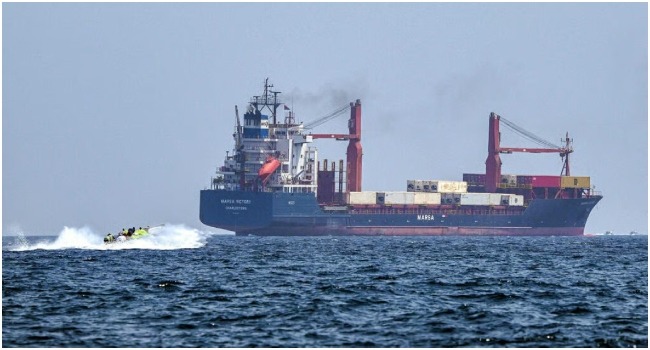
Iran and Oman are holding talks on a plan to create a temporary shipping corridor through the Strait of Hormuz as efforts continue to restore safe navigation along the strategically important waterway.
The two countries have yet to reach an agreement on the conditions for reopening the strait, which has remained largely paralysed amid the ongoing Middle East conflict.
Talks Focus On Temporary Shipping Route
Iranian and Omani officials discussed a proposed framework agreement in Tehran on Tuesday covering the creation of a temporary maritime corridor and the clearance of mines in the strait.
Omani Foreign Minister Badr Albusaidi said he hoped details of the corridor and practical arrangements for restoring safe navigation would be announced soon.
He added that discussions on the permanent management of the waterway would follow later.
Iranian Deputy Foreign Minister Kazem Gharibabadi said the proposed arrangement could allow vessels entering the Gulf to pass through Iranian waters, while ships leaving the Gulf would use Omani waters before passing through Iranian waters again.
He said Iran and Oman could have between 30 and 60 days to negotiate a permanent arrangement if the temporary plan is approved.
Why The Strait Matters
The Strait of Hormuz is one of the world’s most important maritime routes for oil and gas shipments. Iran and Oman both border the waterway, making their cooperation central to any effort to restore regular shipping.
A memorandum of understanding between the United States and Iran signed in June had provided for the reopening of the strait while leaving Iran and Oman to work out arrangements for its future administration and maritime services in consultation with other Gulf states.
However, the agreement later broke down as the wider conflict continued.
Iran Links Reopening To Wider Concessions
Tehran has continued to link the full reopening of the Strait of Hormuz to broader demands involving the United States.
Gharibabadi said Iran wanted Washington to fulfil commitments it had previously made, while also demanding an end to the war, the lifting of the blockade and a resolution to the situation in Yemen.
Iran has also raised demands involving sanctions, compensation for war-related damage and security guarantees.
The Islamic Revolutionary Guard Corps has reportedly been involved in the negotiations, with Iranian authorities saying military officials helped prepare maps for the proposed shipping arrangement.
Oman Seeks Regional Solution
Oman is attempting to keep negotiations focused on restoring freedom of navigation while avoiding becoming directly involved in the wider confrontation between Iran and the United States.
Omani researcher Abdallah Baaboud said the negotiations were complicated by questions surrounding sovereignty, jurisdiction, vessel movements, security and possible fees.
The United States has also expressed strong views on the issue, while Tehran rejects Washington’s claims of control over the waterway.
Oman is therefore pushing for neighbouring Gulf states to participate in discussions, with the aim of creating a regional arrangement that guarantees freedom of navigation.
For now, negotiations remain ongoing, with both sides working towards a temporary corridor while longer-term arrangements for the Strait of Hormuz remain unresolved.


