


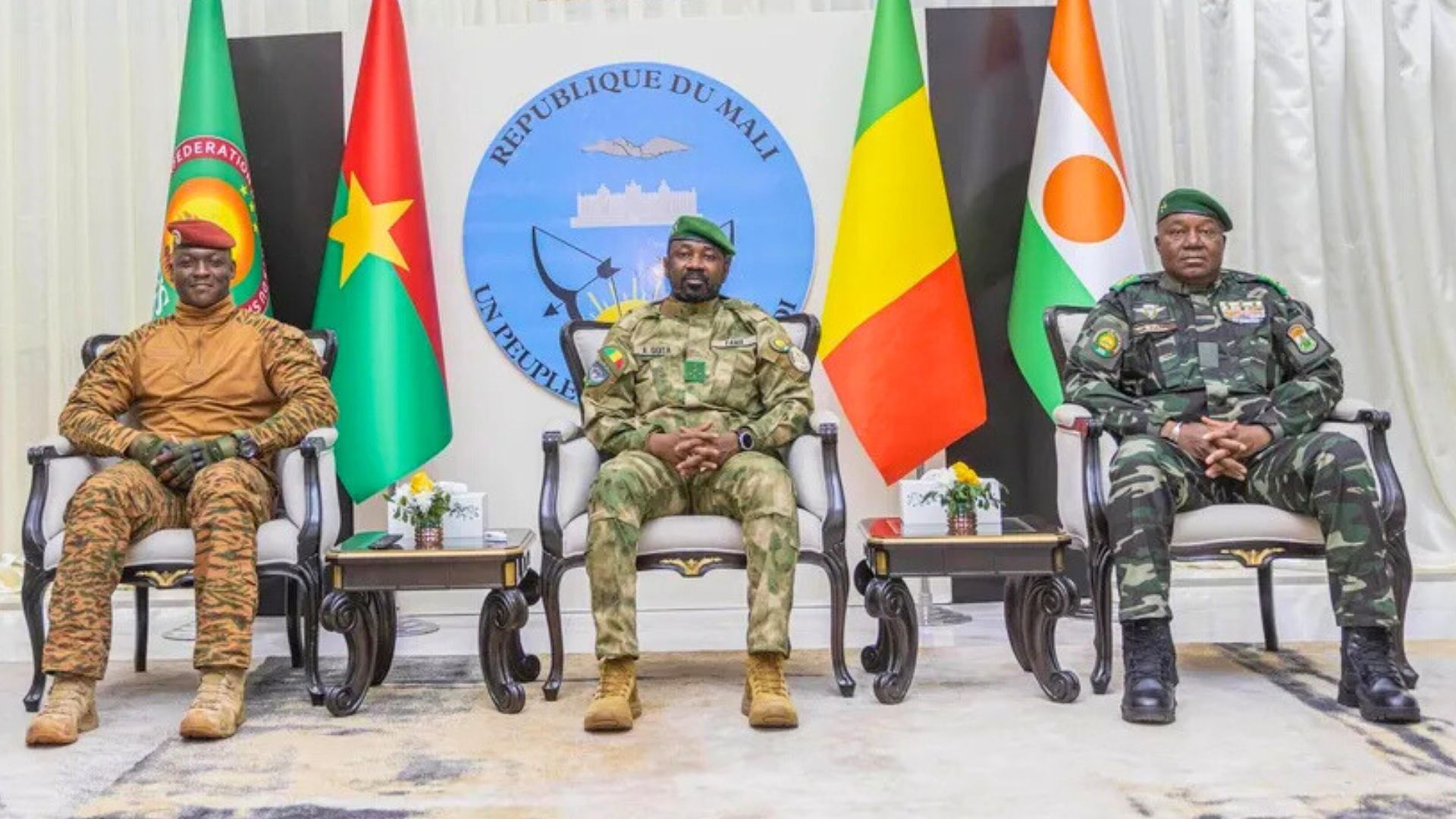
 Burkina Faso’s military-led government has ordered the dissolution of more than 100 non-governmental organisations and civil society groups, in a move that has sparked sharp criticism from international human rights advocates.
The decision marks the latest step in what observers describe as an expanding crackdown on civic freedoms since Captain Ibrahim Traoré seized power in a 2022 coup. Rights organisations, including Amnesty International, have condemned the measure as a serious violation of fundamental freedoms and democratic principles.
Government Orders Closure of 118 Associations
According to an official announcement by the Ministry of Territorial Administration and Mobility, authorities have dissolved 118 NGOs and associations operating in Burkina Faso. Their activities have also been banned.
The ministry said the action was taken “in accordance with current legal provisions,” though many of the affected groups are known for their work in human rights advocacy, community development, and civil society engagement.
Territorial Administration Minister Emile Zerbo instructed the leaders of the newly dissolved organisations to comply with a law introduced in July 2025 that tightened state control over associations and unions.He also warned that anyone failing to comply would face penalties under existing regulations.
Amnesty International Condemns the Move
Amnesty International strongly criticised the government’s action, describing it as part of an “intensifying crackdown” on independent organisations in the country.
Ousmane Diallo, Amnesty’s senior researcher for the Sahel region, said the closures represent a direct assault on the right to freedom of association.
He argued that dissolving NGOs and associations contradicts Burkina Faso’s constitution and violates the country’s international human rights obligations.
Diallo also raised concerns over what he described as a pattern of harassment, arbitrary detention, and prosecution of activists and human rights defenders under the current administration. Amnesty has called on the authorities to immediately reverse the decision.
A Broader Pattern of Restrictions
The latest closures are not an isolated event. Since coming to power, Traoré’s administration has introduced a series of measures that critics say are aimed at silencing dissent and consolidating control.
In July last year, the government passed legislation restricting the activities of civil society groups and labour unions. Within weeks, the authorities revoked the licences of 21 rights organisations and temporarily suspended 10 others, citing administrative issues.
In November, all national and international NGOs were ordered to close their commercial bank accounts and transfer their funds to a newly created state-controlled bank.
Then in January, the government formally dissolved all political parties after keeping them suspended for three years.
Earlier this month, Traoré reportedly told citizens they must rethink traditional models of democracy, comments that further fueled concerns about the country’s political direction.
Security Crisis and Government Justification
Burkina Faso remains at the centre of a prolonged security crisis, facing frequent attacks from armed groups linked to al-Qaeda and ISIL. The violence has displaced millions, destabilised communities, and placed enormous pressure on state institutions.
Government officials have often accused foreign-funded NGOs of spying or collaborating with extremist groups, though such claims are rarely supported with publicly available evidence.
Supporters of the government argue that tighter control is necessary to protect national sovereignty and prevent foreign interference. Critics, however, say the security situation is being used to justify repression and dismantle independent institutions.
What This Means for Burkina Faso
The dissolution of more than 100 organisations could have far-reaching consequences for communities that rely on NGOs for humanitarian aid, education, health services, legal support, and advocacy.
Civil society groups often play a vital role in conflict-affected countries, filling gaps left by weak state institutions and helping vulnerable populations access essential services.
Their removal may further isolate communities already struggling with insecurity, poverty, and displacement.At the same time, the closures send a strong signal about the shrinking space for independent voices in Burkina Faso.
Final Thoughts
Burkina Faso’s decision to dissolve more than 100 NGOs and civil society organisations marks another major turning point under military rule. While the government says it is acting within the law and protecting national interests, rights groups warn the move undermines constitutional freedoms and democratic values.
As the country continues to battle insecurity and political uncertainty, the balance between national security and civil liberties is becoming one of the defining issues of Traoré’s leadership.