


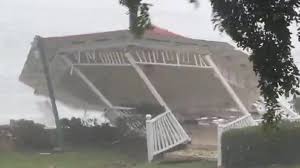
The Caribbean island of Jamaica braced for and partially received the landfall of Hurricane Melissa, a historically intense Category 5 storm whose sustained winds of up to 185 mph and slow movement threatened life- and infrastructure-altering destruction. On Monday and Tuesday, 27-28 October 2025, authorities issued evacuation orders, activated hundreds of shelters, and warned residents that “many communities will not survive” the storm’s impact.The lead-up to the strike was marked by rapid intensification over unusually warm Caribbean waters. Meteorologists tracked Melissa’s rise from Category 4 to Category 5 in just hours, with forecasters warning of rainfall totals between 25–40 inches (63–100 cm) and storm surges of up to 13 feet in vulnerable coastal parishes. Prime Minister Andrew Holness emphasised the storm’s severity: “There is no infrastructure in the region that can withstand a Category 5.” Evacuation efforts were complicated by residents’ reluctance to leave homes due to fears of looting and shelter safety. At the time of landfall, authorities reported only a few hundred individuals taking refuge despite 800+ shelters being prepared. The storm hit southwestern Jamaica near New Hope, and as it moved north, damage reports began to surface: collapsed roofs, downed power lines, landslides in mountainous parishes, and major flooding. Beyond Jamaica, the storm was forecast to move on to southeastern Cuba, the Bahamas and beyond — extending the potential impact across the Caribbean. Experts flagged the slow forward speed of the storm as one of the most dangerous elements, increasing rainfall dwell time and flood risk. In economic terms, the event threatens key sectors such as tourism, agriculture (especially sugar and banana export regions) and infrastructure repair budgets in the region.
For Jamaica and its neighbours, the implications are stark: immediate humanitarian relief will need to scale up quickly, but the longer-term recovery will hinge on resilience planning, climate adaptation, and restoring critical services. With Melissa described by some meteorologists as among the most powerful Atlantic landfalls ever recorded, the disaster will test regional disaster-response capacities like never before.


