


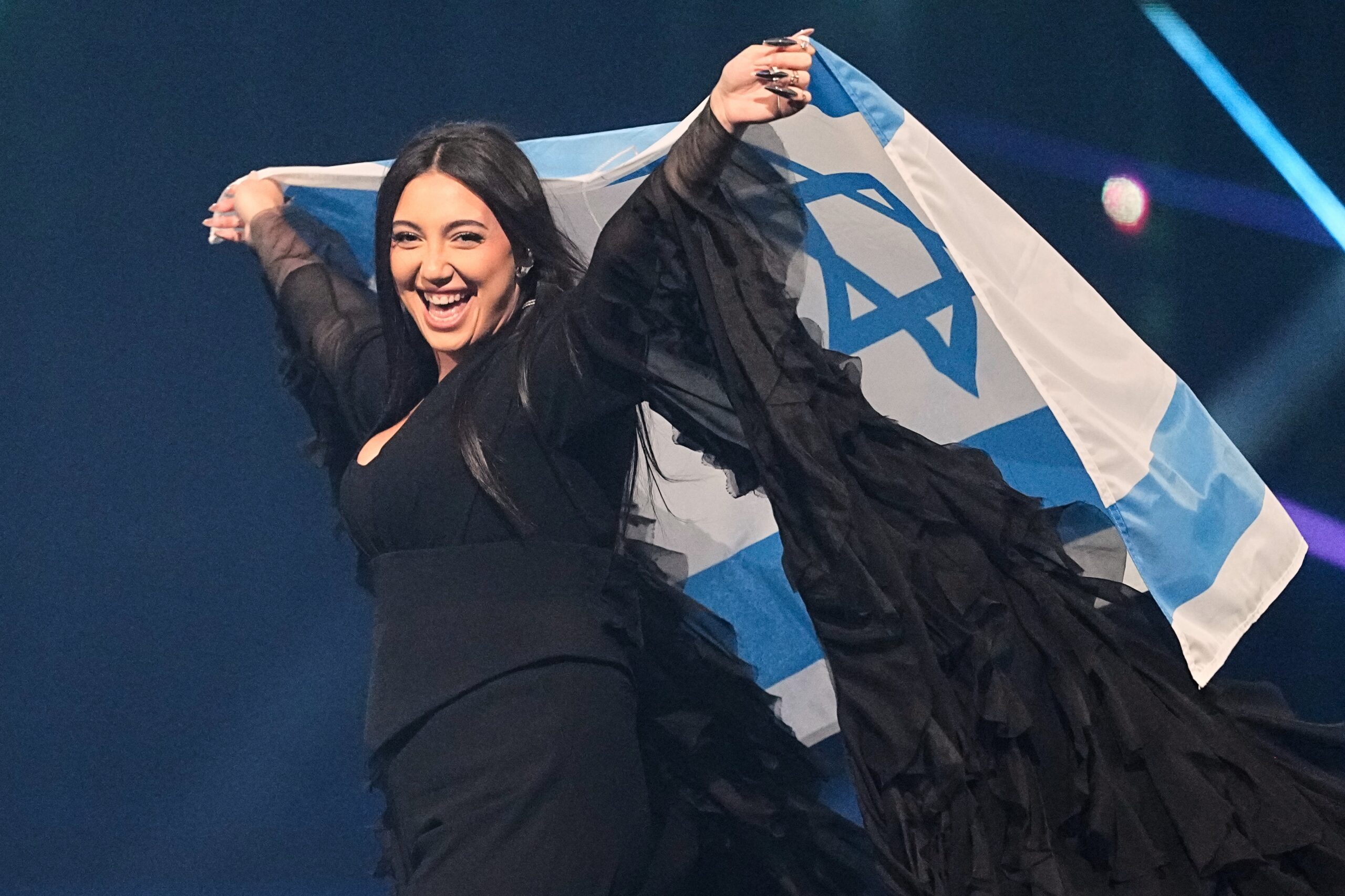
The Eurovision Song Contest finals are set to take place this weekend in Vienna, Austria, but the event is being overshadowed by a major political dispute that has led to boycotts from several participating countries.
Ireland, Spain, Slovenia, the Netherlands, and Iceland have all withdrawn from this year’s contest, protesting Israel’s continued participation amid the ongoing war in Gaza. The coordinated boycott marks one of the most serious crises in the 70-year history of Eurovision, which has long promoted itself as an apolitical celebration of music and unity.
This year’s contest has already seen a noticeable decline in participation and fan attendance. Only 35 countries are competing, the lowest number since 2004, while reports from fan groups suggest fewer international visitors have traveled to the host city compared to previous editions. Some ticket availability for the grand final has also been reported—an unusual development for an event typically sold out months in advance.
The controversy stems from growing political tensions surrounding Israel’s involvement in Eurovision following its military campaign in Gaza. Critics argue that its participation risks politicising the competition, while supporters maintain that the event should remain separate from international conflicts.
Tensions escalated further during the semi-finals, where the Israeli performer reportedly faced audible boos and protest chants inside the arena. Several individuals were removed from the venue after disrupting the performance, according to organisers.
Behind the scenes, divisions within the European Broadcasting Union (EBU), which runs Eurovision, have intensified. While the body did not hold a formal vote on Israel’s participation, it introduced new rules aimed at improving transparency and limiting external influence on voting systems.
These changes include reducing the maximum number of votes per viewer from 20 to 10, following allegations of coordinated voting campaigns in previous editions. Organisers have also cautioned delegations against promotional content seen as encouraging mass voting for specific countries.
Despite the controversy, Eurovision continues to draw global attention for its extravagant performances, diverse musical styles, and strong cultural following, particularly within Europe and LGBTQ+ communities. However, many fans and commentators say this year’s political tensions have dampened the usual celebratory atmosphere.
As the grand final approaches, the contest faces renewed questions about whether it can maintain its reputation as a unifying cultural event while navigating increasingly complex geopolitical divisions.