


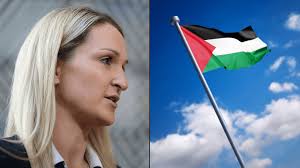
Ireland has announced a significant new humanitarian funding package for Palestinians, with its Minister for Foreign Affairs, Trade and Defence, Helen McEntee, pledging substantial assistance during a visit to the Egyptian side of the Rafah border crossing with Gaza. The announcement was made on January 13, 2026, as McEntee toured the key entry point used for relief and medical evacuations into the besieged enclave.
During the visit, McEntee confirmed that Ireland will allocate US $49 million (about €42 million) in humanitarian aid to Palestinians in 2026, an increase over its 2025 support. A large portion of this funding, approximately €20 million is earmarked as core funding for the United Nations Relief and Works Agency for Palestine Refugees (UNRWA), which provides essential services such as healthcare, education and shelter to refugees in Gaza, the West Bank and across the region. The package also includes €2 million to support the Egyptian and Palestinian Red Crescent Societies, with the remaining funds to be deployed throughout the year based on emerging needs on the ground.
The Rafah crossing is Gaza’s only humanitarian gateway not shared with Israel, making it a vital corridor for aid deliveries amid ongoing shortages of food, shelter, clean water and medical supplies following years of conflict. Most of Gaza’s more than two million residents are living in makeshift tents or damaged buildings, exposed to winter weather, flooding and overcrowding, further compounding the humanitarian crisis. Aid groups have warned that insufficient shelter materials and limited access continue to endanger vulnerable populations, including children.
McEntee’s announcement came as part of a broader diplomatic engagement in the region, with Irish officials also emphasising the urgent need for sustained international support to address life-saving humanitarian needs and uphold human rights protections for civilians in Gaza and the West Bank.
Ireland’s expanded funding underscores its ongoing commitment to humanitarian assistance in the Middle East and aligns with broader international efforts to alleviate suffering and support displaced and vulnerable communities amid one of the world’s most severe humanitarian crises